


Some days, 24 hours don’t feel like enough. We start the day already racing against the clock. We eat breakfast on the go, messages pile up, and tasks interrupt each other. Urgent things pop up, while important things get pushed aside. By evening, we’ve been busy all day, but it can feel like nothing that truly mattered got done.
Our first reaction is often to blame time, thinking there just wasn’t enough. But if we had a 25th hour, what would we really do with it? Would we finally read, think, exercise, call someone we miss, spend time with our children, take a walk, or just be still? Or would our unfinished tasks fill up that extra hour too?
Maybe time isn’t always the real issue. Some days feel too short because we try to do too much. We want meaningful work and relationships. We want to be good citizens, present parents, loyal friends, and great colleagues. We want to exercise, read, travel, volunteer, learn new things, keep up with the news, answer messages, go to events, support causes, and start new projects. We want to improve ourselves. Some of us even hope to change the world—and preferably before lunch.
There’s something admirable about wanting so much from life. Many of the things that demand our attention are truly good. But maybe that’s the problem. How do we choose when almost everything seems worthwhile?
When every note wants to be played
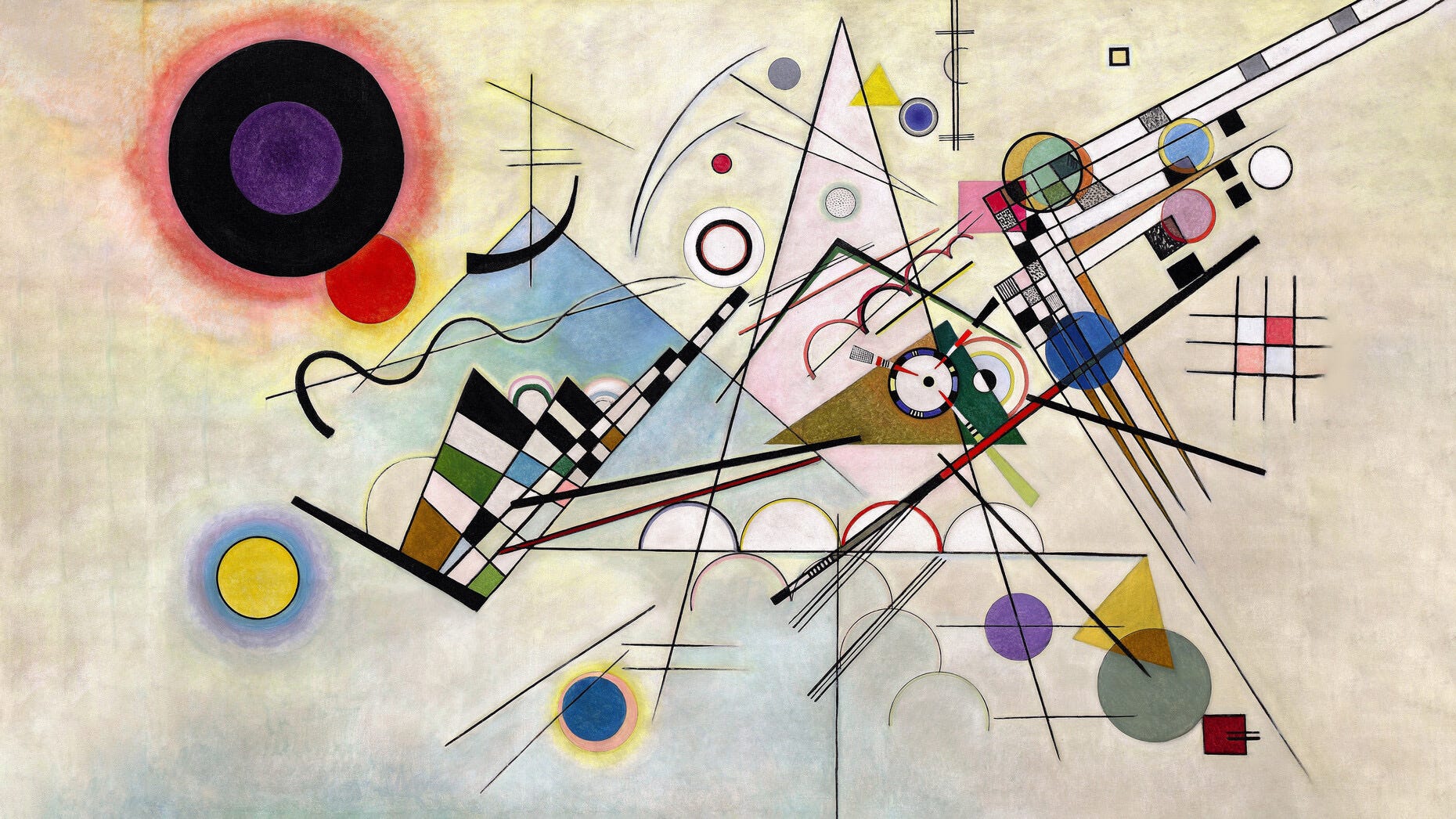
Let’s look to music for an answer. Imagine sitting at a piano and playing every beautiful note you know all at once. The result isn’t more beauty—it’s chaos. A melody works because the notes are in order. Some come now, others later. Some are long, some are short. One instrument plays while another waits. Themes return, the tempo changes. And then there are the rests, those little symbols in the score. In music class, we learn that silence isn’t just the absence of sound. Silence is part of the music.
A composer doesn’t try to fit as many notes as possible into four minutes. Instead, they decide which notes belong, where they fit, and what to leave silent so other sounds can be heard. Maybe life needs the same approach. Our choices aren’t always between good and bad. Often, we’re choosing between good and good, which is much harder. Saying “no” to good things is difficult. We often think of “no” as negative—it can feel like closing doors, letting people down, or missing out. So, we say “yes” to committees, projects, helping out, invitations, and new responsibilities because the cause matters, someone needs us, or it might lead somewhere. Sometimes we say “yes” because we’re afraid another chance won’t come, or because everyone else seems to juggle so much.
Over time, our calendars start to show how much we try not to let anyone down. Many of these commitments are worthwhile on their own, but even good things can push each other out. We might focus so much on helping the world that we forget the person across the dinner table. We can get so busy planning for the future that we miss the present. We might work for great causes but treat our own bodies like machines that need to keep going. We say “yes” to everyone and end up unavailable to those we care about most. Order forces us to ask: Just because something is good, does it belong in my life right now?
Before order, Chaos
The ancient Greeks gave us a helpful image. In Hesiod’s Theogony, everything begins with Chaos. Today, we think of chaos as disorder—a messy kitchen, a cluttered desk, or a family rushing out the door. But for the Greeks, chaos meant a wide gap or an open space, not just messiness. It was what hadn’t yet taken shape. In many ways, this fits modern life. Work matters, family matters, friendship matters, health matters, service matters, rest matters, the world matters—and even that urgent email seems to matter a lot.
These days, everything seems to demand our attention at once. Everything wants a response right now. When everything becomes urgent, we lose something important: Kairos (Gk.), the right moment for things to happen. Order helps us say: This first, that later. This deserves an hour, that only five minutes. Some things need our full attention; others need none. The world will always take as much as we give. But the world never says, “Thank you, you’ve done enough.” There’s always another cause, another email, another person who needs help, another opportunity, another problem, another skill to learn, or another project to start.
For those who truly want to make a difference, this can become a trap. We start to think that if something matters, we have to do something about it ourselves. But no one can respond to every need. Our attention, energy, and years are limited. Accepting this might feel like giving up at first, but it may actually be a sign of maturity. Changing the world doesn’t mean carrying all its problems. Sometimes it means choosing the small part that’s ours to carry and doing it remarkably well.
The tyranny of the immediate
The challenge is that life’s most important things are often quiet. Health doesn’t send us reminders. Friendship doesn’t label emails as “URGENT.” A child who wants to talk might pick the least convenient time. A book waits patiently on the table. Sleep never chases us down demanding attention. Meanwhile, the urgent things are loud—messages, deadlines, news alerts, requests, and other people’s priorities.
Urgent things grab our attention, while important things often wait quietly. It’s easy to spend a whole day reacting instead of choosing what matters. We have great tools for managing time, but it’s much harder to protect our attention. Calendars tell us where to be, apps remind us what to do, and technology helps us move faster. But no tool can decide what truly deserves our time. That’s up to us.
What does your calendar say you love?
Let’s try an uncomfortable experiment. Forget for a moment what you say matters to you. Look at a typical week. Where does your attention actually go? Not your intentions, your attention. We might say family comes first but only give them what’s left after everything else. We might say health matters but keep cutting into our sleep. We might say friendship matters but keep postponing that coffee for months. We might say we value reflection but fill every quiet moment with a screen. We might say we want peace but start the day by letting the world in before we even get out of bed. This doesn’t make us hypocrites. Sometimes, we really don’t have enough time. A parent caring for kids, someone working several jobs, a person looking after an elderly relative, or anyone facing financial struggles can’t fix everything with a better schedule.
Life isn’t equally spacious for everyone. Sometimes, when we say “I don’t have time,” we really mean “I haven’t made space for this.” Maybe that’s where order starts. Order isn’t the same as control. It’s not about having a perfectly color-coded calendar or managing every detail. Life doesn’t always go as planned—people get sick, trains are late, plans fall through, grief shows up unannounced, a friend needs us, or a child wants to tell a long story just as we’re leaving. Love doesn’t care about schedules. Someone who’s obsessed with order might see an unexpected hour spent comforting someone as a wasted afternoon. But someone with a deeper sense of order knows the plan sometimes needs to be interrupted for something more important. Order isn’t just about neatness. It’s about knowing what matters most. Sometimes, the best order is letting the plan change.
The rests are part of the music
One of music’s most overlooked lessons isn’t about the notes we play, but the silences we allow between them. We often think of rest as just what happens when nothing productive is going on. But in music, a rest is written into the score. It has a set length and a purpose. If you remove every rest from a piece, you don’t make the music richer—you destroy its shape. Yet we often remove the rests from our lives. We fill the commute with a podcast, lunch with email, waiting in line with messages, the walk with a phone call, and five unexpected minutes with scrolling. Even rest can turn into another performance: steps counted, books finished, places visited, experiences documented. We’ve become very good at filling space. But fullness isn’t the same as richness. A meal with someone isn’t wasted time. A Sunday afternoon doesn’t have to produce anything. A walk can go nowhere. A hobby doesn’t have to become a side business.
Not everything we love needs improvement, monetization, measurement, or sharing. Some things can have their place in our lives.
Finding the melody
Have you ever thought of an ordered life as not a smaller life? It’s actually a life where we can hear the melody. The problem with playing every note isn’t just exhaustion. After a while, we can’t tell what the music is about. The same thing can happen to us. We get involved in so many things, respond to so many people, commit to so many worthy projects, and handle so many small demands that the most important things become hard to notice. What few things should shape this season of your life? Not forever—just now. It could mean raising young children, caring for an aging parent, building something, studying, healing, creating, serving, or learning.
Or maybe it’s simply about becoming present again after years of living at full speed. Order doesn’t require every season to include everything. That might be its greatest gift. We will be notes we don’t play, invitations we turn down, projects others take on, books we never read, places we never visit, and problems we can’t solve ourselves. Accepting this isn’t living less. It might be what lets us truly live what we’ve chosen. A composer doesn’t mourn every note left out of the piece. The notes left out are what let the melody exist. Maybe the value of order is something like that.
A meaningful life isn’t made by squeezing in as many worthwhile things as possible. It’s made by giving the right things their proper place. This first. That later. This deserves my attention. That can wait. Here, sound. Here, silence. For what is the point of playing every note if, in the end, we have lost the very music we were meant to make?
