


By Dr. George Manzano
UA&P School of Economics
The tariff story for the Philippines has been something of a roller coaster. The rate started at 17% on President Trump’s “Liberation Day” in April 2025, later rose to 20%, and was then lowered to 19% following the Marcos–Trump meeting. After the US Supreme Court ruled against the use of emergency powers to impose these tariffs, the administration introduced a temporary 10% global tariff under Section 122. When that measure expired on July 24, 2026, it was replaced by a 12.5% Section 301 tariff covering many Philippine products. The question, then, is: To what extent do the Trump administration’s tariffs hurt the competitiveness of Philippine exporters in the US market?
The headline rate does not tell us everything. Competitiveness is always relative. A US tariff clearly puts Philippine exporters at a disadvantage against American producers. But when we compare the Philippines with other foreign suppliers, what matters is the difference between the tariff they face and the tariff imposed on us. If nearly all exporting countries face the same rate, the Philippines’ relative position changes very little. If a competitor faces 10% while the Philippines faces 12.5%, our disadvantage is the 2.5-percentage-point gap—although even that can be significant for products with narrow profit margins.
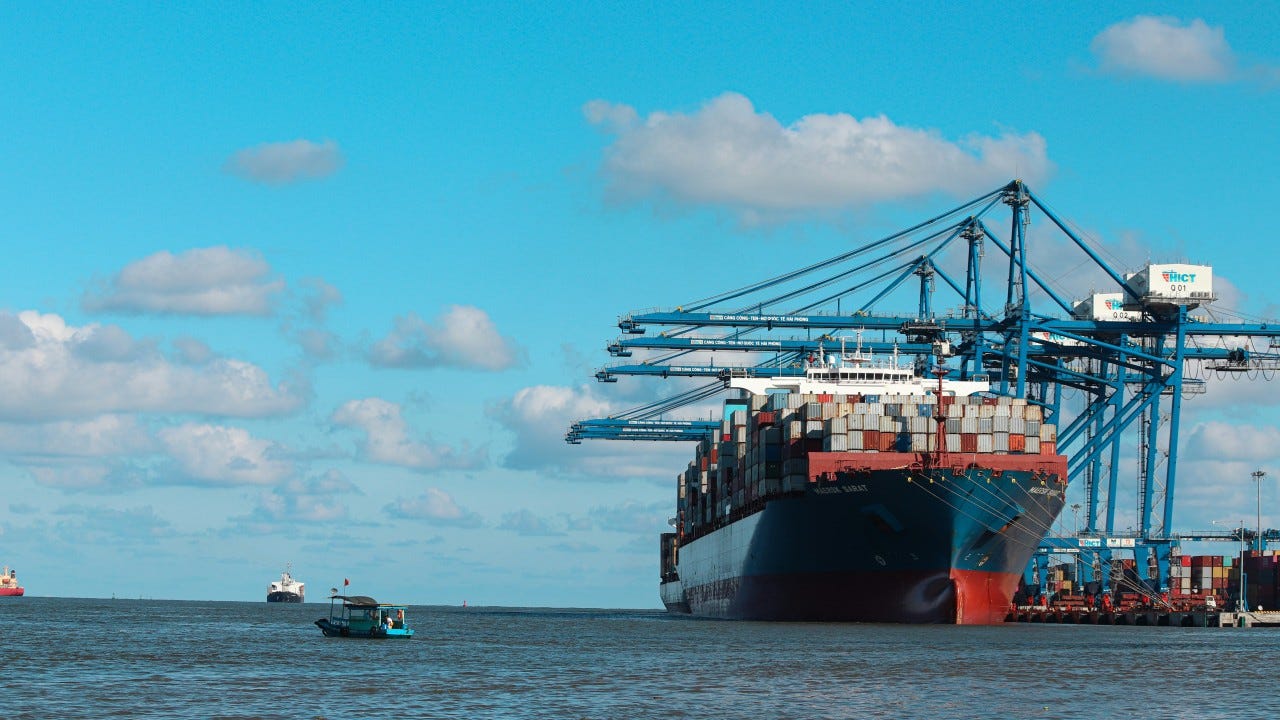
Product exemptions matter just as much. Many major semiconductor tariff lines—covering some of the Philippines’ most important exports—have been excluded. This provides some protection for the electronics industry, although it does not mean that every electronic product is exempt. The actual tariff depends on the product’s specific US tariff classification. In other words, a headline rate of 12.5% does not mean that every Philippine export entering the United States pays 12.5%.
This may partly explain why, despite the headline tariffs, Philippine exports to the United States still grew strongly during the first half of 2026. Exports increased by about 28%, while the Philippine trade surplus with the US rose by nearly 49%. This does not mean tariffs are harmless. Exports might have grown even faster without them, and some shipments may have been brought forward in anticipation of tariff changes. The broader lesson is that we need to look beyond the headline rate. We must examine which products are covered, which are exempt and, most importantly, what tariffs our competitors face. In trade, as always, the devil is in the details.
The views expressed here are the author’s and do not necessarily reflect those of the Publication and the University.