I realized something was wrong when the sound of medals clinking against each other on my chest did nothing to move my heart. As a member of the Philippines’ national debate team, I spent nearly a decade of my life chasing victory—I saw that excellence was victory. So every competition was a promise to myself: win, and I would finally be good enough. That promise drove me into obsession, with countless sleepless nights and days spent in training, piling up like grains of sand on a beach. Reality seemed to point me in the opposite direction, with every triumph leaving me more hollow than the last. I thought that was a sign to strive for greater heights, yet not even representing our country seemed to quell the feeling of discontent.
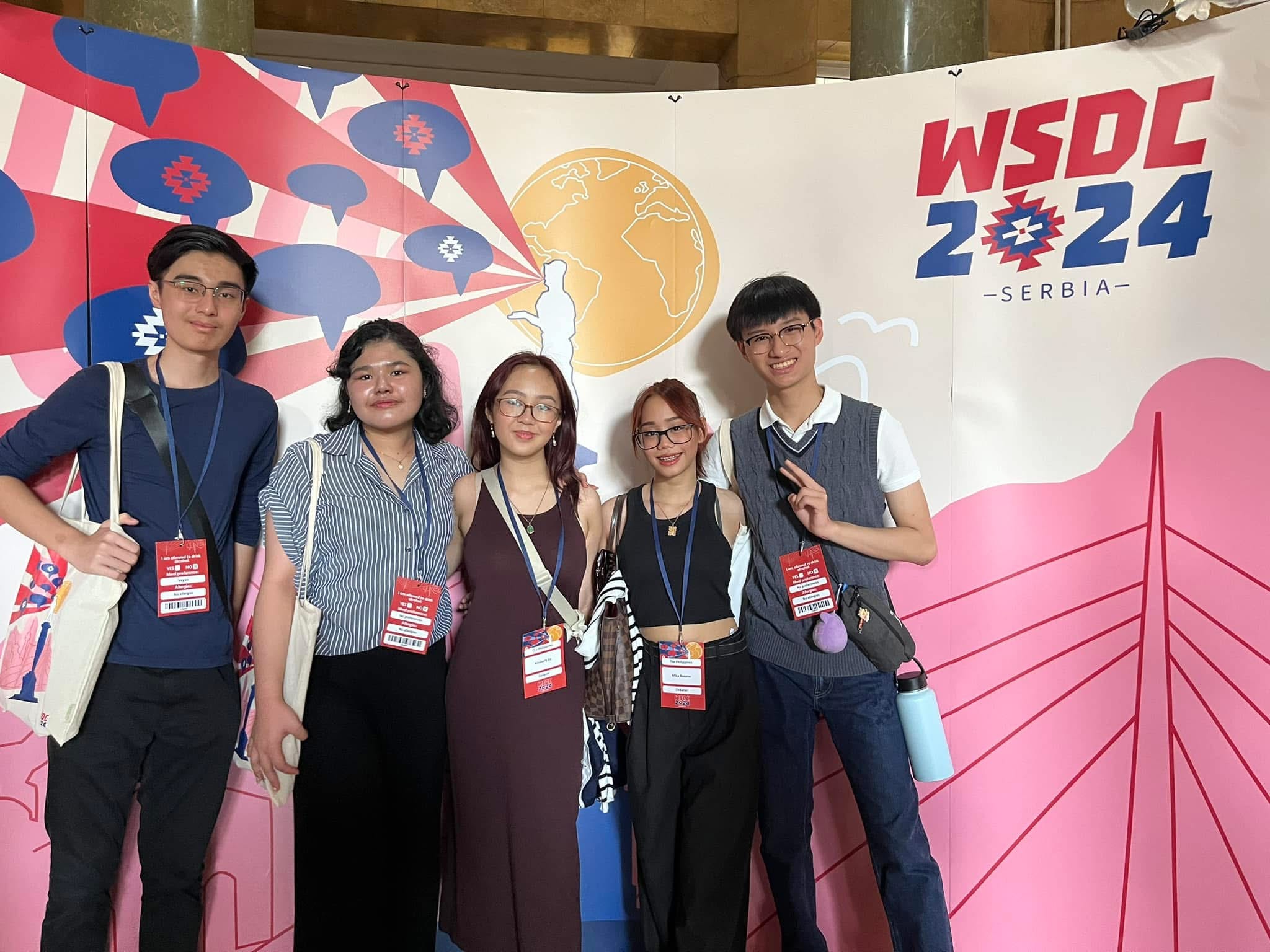
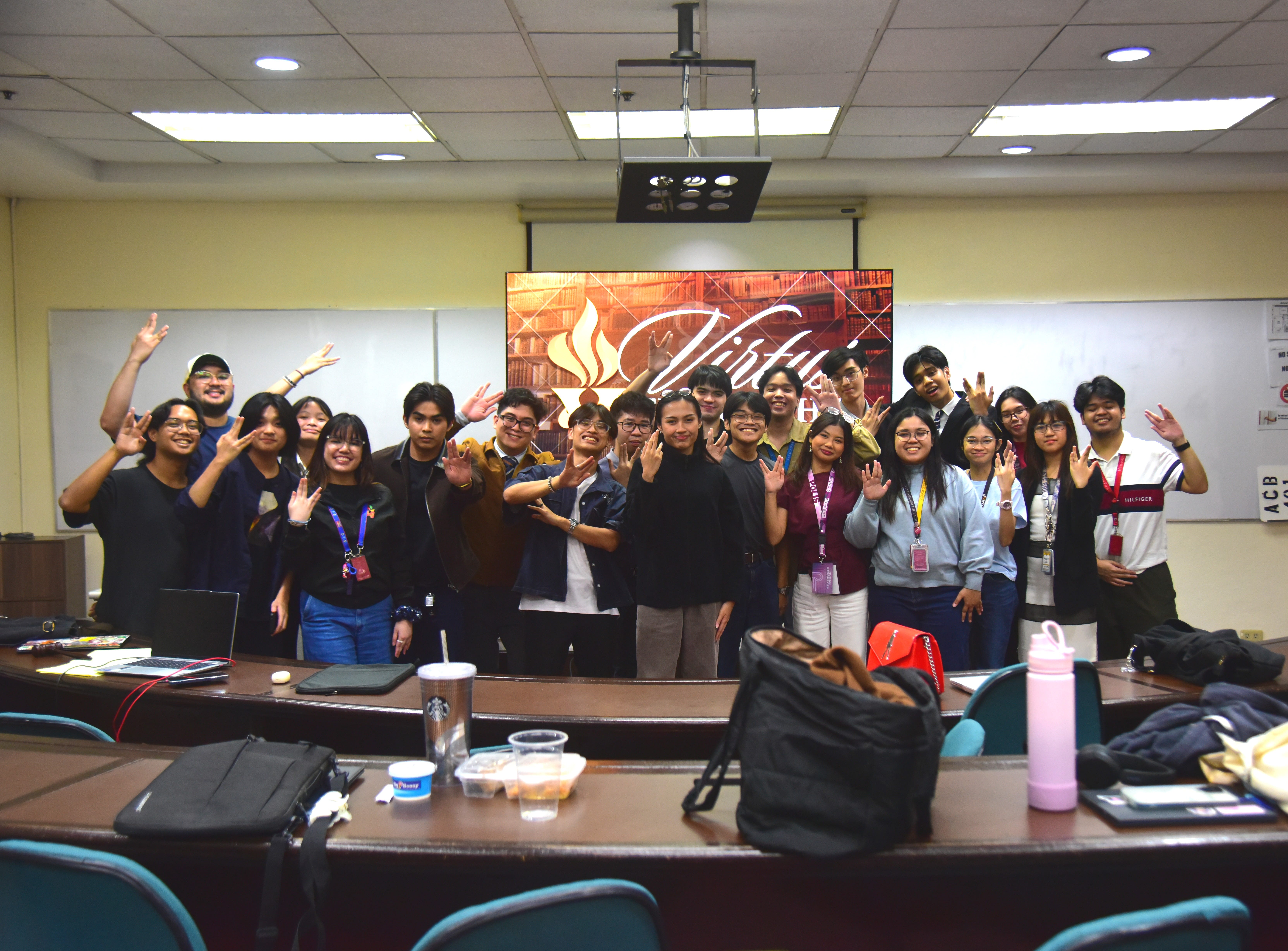
My greatest failure was the day our team didn’t make the cut for the finals of the World Schools Debating Championships. That moment forced me to redefine everything I thought I understood about excellence. In a frenzied race to the top, I had suddenly found myself in free fall. Where was I supposed to go now, having trained the hardest I ever had and still falling short? The most haunting question, though, was: if I had won, would I have finally felt whole? Then, just weeks after, when I enrolled in the university and met members of Virtus: The UA&P Competition League, I found people who had their own answers to what competition means. Through meaningful discussions with certain members of the guild, I have amassed insights worth sharing. Their stories and my experiences in competitions under Virtus have led me to realize three lessons that changed my perspective on excellence—none of them had to do with standing on a podium.
Excellence is growth. Before Virtus, I had always thought that achieving excellence meant beating all other competitors and blazing my way to championships. The competitors I spoke to, however, rarely defined it that way. I asked members of Virtus how they saw excellence, and Hesaya Hernandez, the former captain of Forum: The UA&P Debate Society, defines victory as self-improvement. He says, “Excellence is very subjective. I personally think it’s the improvement of a person in any positive way. I don’t like it when people base it purely on awards and wins alone… The goal at the end of the day should always be making yourself a better person.”
My true failure, up to that point, was missing a critical truth: winning is a means to self-development, not an end in itself. I realized the reason I was so unhappy was that I defined myself by how other people perceived me; after all, what else was a trophy if not proof that I was better than my competitors? Defining myself by the praise I received was a sweet poison, because even the greatest of victories would not guarantee that people would forever be impressed by me. That would require summiting greater and greater heights each time, for achieving the same thing a dozen times gets dull for an audience. Clearly, that was unsustainable. Observing those truly happy in competition, like Hesaya, it became clear to me that only the joy of becoming a better person through hardship is permanent. When the applause dies down and the stage is nothing but a distant memory, all you are left with are the calluses on your hands and the strength of your soul.
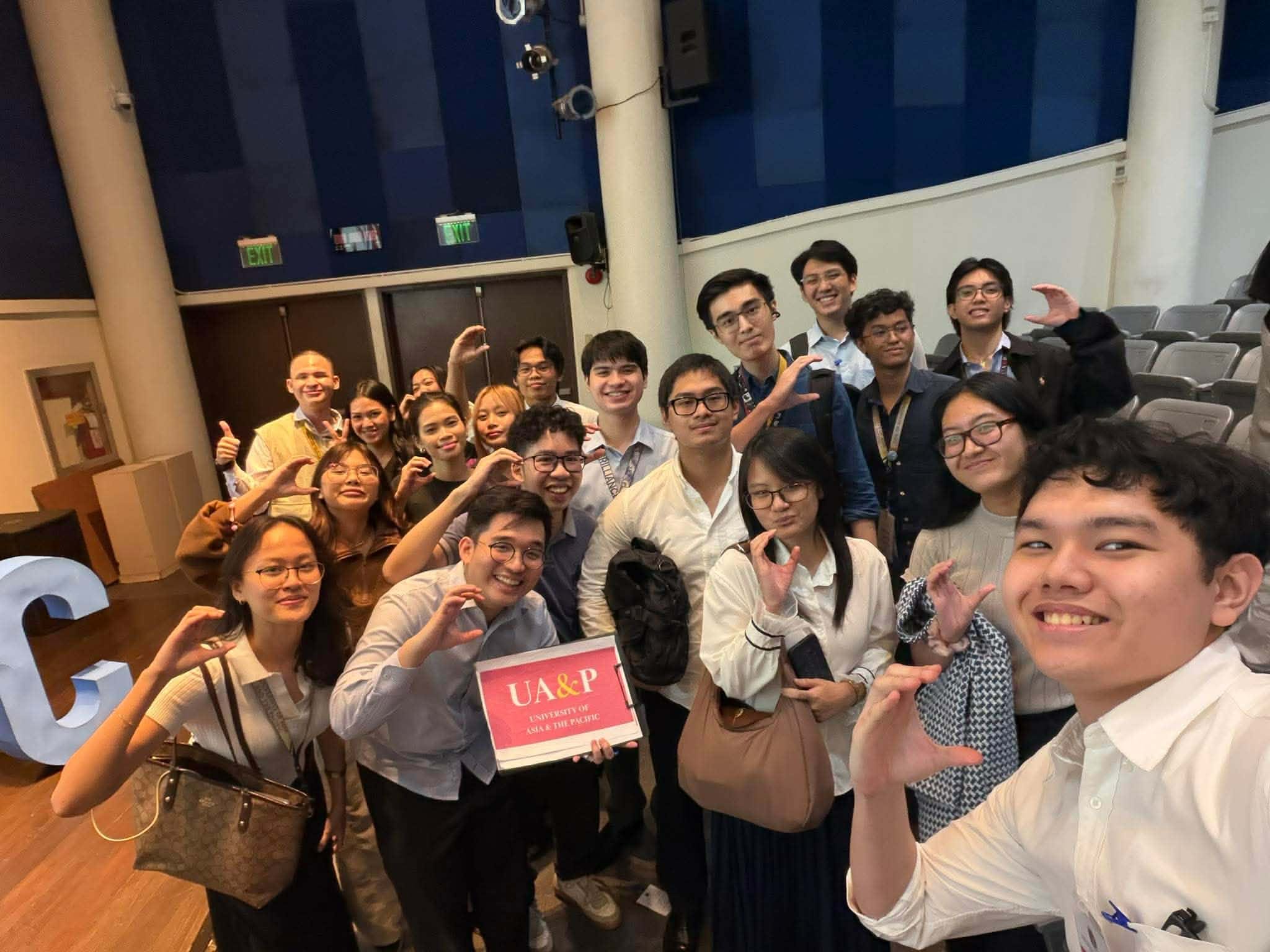
Redefining excellence left me with another question: if success is measured in besting yourself, then why do we still reward achievement with recognition? That led me to another lesson: competition is communal, and recognition harnesses that social spirit of sportsmanship. Gabrielle “Gab” Macapagal, the captain of Trivium: The UA&P English Olympiad, says, “I absolutely do not think wanting recognition is a bad thing, and it should coexist with self-improvement.” Recognition is good in moderation. Wanting the inner reality of your growth to be reflected in external realities is a perfectly healthy human desire; chasing awards at the cost of reflection, however, is the true hamartia of those in competition. Trophies and titles are more than just ego boosts; they are catalysts for the social aspect of competition. As Gab puts it, “These people are not your enemies.” In the moments I felt happiest about winning, the joy came from the thought of other people understanding the effort I put in and being inspired by it. There is no better moment in a competition than when you are being cheered on by competitors who have become friends. The true value of competition lies in the spirit of sportsmanship brought about by pursuing a shared goal.
What lessons, then, can we get from pouring in effort to pursue victory? Jamie Alabin, the former president of Virtus and founder of Odyssey: The UA&P Junior College Competition Pool, says, “A principle I hold up to this day is to be relentless with action, but patient with results.” Excellence is non-linear; it shows in character long before skill. When I burnt midnight oil doing research, when my voice grew hoarse and my body weak from projecting arguments across auditoriums, when I was bested by an opponent and had to pick myself up for the next round, I learned what it meant to pursue a goal with everything I had. Losing without quitting is the mark of true victory.
It is in the continuous pursuit of self-improvement that one reaps the benefits of competition. Agatha Claudio, a newer member of FORUM: The UA&P Debate Society, says, “I haven’t broken in a single competition yet... However, little by little, I noticed that after every debate competition, I became better at speaking.” On this, Hesaya says, “I would rather be a person who joined 100 competitions and won one than a person who won one and never competed again because the experience you get from a hundred failures is so much more valuable in building yourself as a better person.” Pursuing victory entails failure, and that is what drives growth. My every failure has equipped me with one more tool, one more lesson to apply, to help myself and the people I love.
Looking back, the most important thing that competition gave me, beyond the medals and the distinction on the national debate team, was a different understanding of excellence. The Latin word virtus is often translated as virtue, but it can also mean strength: strength of mind, strength of will, and strength of character. For years, I believed that perhaps one more victory would finally mean that I was enough. Reflecting on that moment in the world championships, when I watched the victors shine on stage from the seat of a spectator, I realized that my worth was never measured by whether I could make it on that stage. It was defined by the skills and lessons I gained trying to get there and how I chose to use them. In any aspect of life, whether it’s in one’s studies, career, ambitions, or relationships, there’s a temptation to compare ourselves with others. The healthier question is not whether we can stand above everyone else, but whether we are becoming better than we were yesterday, both for ourselves and for those around us. I believe that there is goodness in self-improvement when we use the strength we gain to contribute, mentor, and help others grow as well. As is the motto of Virtus, the guild: Virtus Unita Fortior, or strength united is stronger. That, to me, is the spirit of virtus: the pursuit of excellence that makes us better for others.