

By Viory Janeo
University Secretary
A humble tribute to St. Josemaría Escrivá, whose feast day we celebrate today. The phrase "Tired, but happy"—from The Way—has long reminded us that work done with love and offered to God is deeply fulfilling, even in weariness. Happy Feast Day of St. Josemaría, and happy Charter Day to all who form part of the UA&P community.
There is a particular kind of tiredness that brings peace. Not the tiredness that comes from chasing success or recognition, but the kind that comes from fulfilling one’s duty with love—the quiet satisfaction of knowing that, despite the demands of the day, one has given generously in service to others.
This is the tiredness St. Josemaría Escrivá wrote about. He reminded us that holiness is found not in extraordinary moments, but in the faithful fulfillment of ordinary responsibilities. Work, when offered to God, becomes more than a profession or a task—it becomes a path to sanctity and a way of serving others.
Working in this university has taught me this lesson time and again. There are days filled with meetings, deadlines, difficult conversations, and decisions that are never easy. Sometimes the work goes unnoticed. At other times, despite the best intentions, people may still find something to criticize. No matter how carefully we prepare or how sincerely we work, perfection on our own remains beyond our reach.
Yet at the end of the day, I find rest in a simple truth: I have tried my best. That realization brings a happiness deeper than comfort — the happiness of knowing that, in some small way, I have contributed to the mission of the University and to the lives of the people it serves. Whether those contributions are visible or hidden, they become meaningful when they are offered with the right intention.
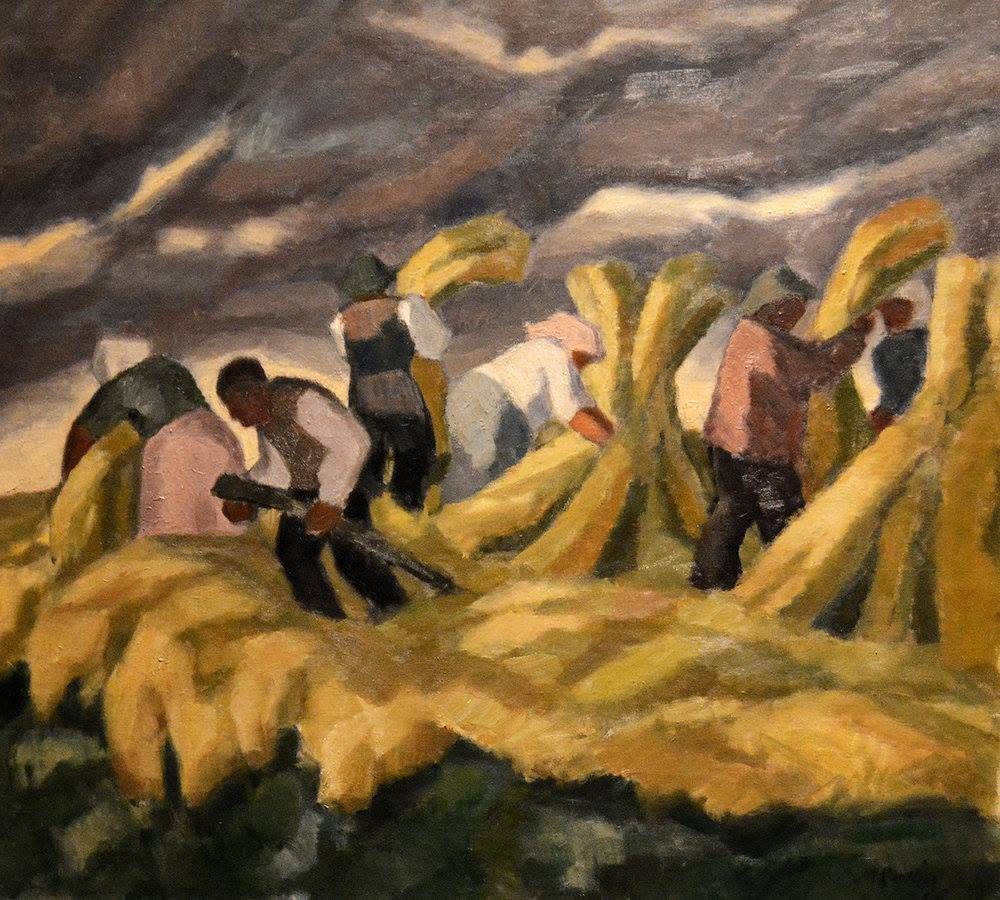
Being tired but happy is not about ignoring disappointments or pretending difficulties do not exist. There are moments of frustration, setbacks, and discouragement. But when the mind and heart are rightly oriented — when work is understood as a vocation rather than merely an obligation—those experiences do not rob us of our joy. They become, instead, occasions to grow in patience, humility, and generosity.
Looking back, I realize this perspective was not formed overnight. It is a gift I received through my formation here in UA&P and through the foundational spirit that continues to shape its community. Beyond professional competence, I learned that work has meaning because it is an act of service—that excellence matters not for prestige, but because the University and the people it serves deserve our best; and that every ordinary task, however small, can become an offering to God.
For this, I am deeply grateful.
The tiredness remains. The responsibilities continue. The challenges endure. But so does the joy.
And if, at the end of each day, I can honestly say that I have tried to work with integrity, to serve others with generosity, and to offer my efforts to God — then I can rest with a peaceful heart: tired, yes, but profoundly happy.