


By Zoila Pilola
HR Specialist for Development and Engagement
In economics, students are often introduced to a simple principle: there is no such thing as a free lunch. Everything carries a cost, and someone, somewhere, ultimately pays for it.
At the University of Asia and the Pacific, this familiar idea is being examined in a very practical way.
Since August 2025, all full-time employees of the University have been receiving free lunch meals, an initiative introduced by the new administration as part of a broader effort to enhance employee support and workplace experience. To date, 2,995 meals have been served since its launching.
From the perspective of Human Resources, which is involved in the implementation and ongoing review of the program, the initiative is currently part of a live feasibility study. Even in its early stages, it has already had visible effects on daily campus life and employee routines. It was among the initial measures rolled out under the new management, reflecting a broader intent to strengthen institutional support for employees.
Mrs. Aurea Cruz, Vice President for Finance and Administrative Affairs, describes the rationale behind the program.
“We understand the principle that nothing is truly free,” she says. “What the University is doing is choosing to absorb that cost as part of its commitment to its people.”
She adds that the decision was meant to be immediately felt in the everyday experience of employees. “We wanted something concrete that becomes part of daily life.”
Each day around noon, this becomes evident at the Executive Cafe, where employees gather for lunch. Beyond the meal itself, the space has also become a setting for informal interaction across offices and departments.
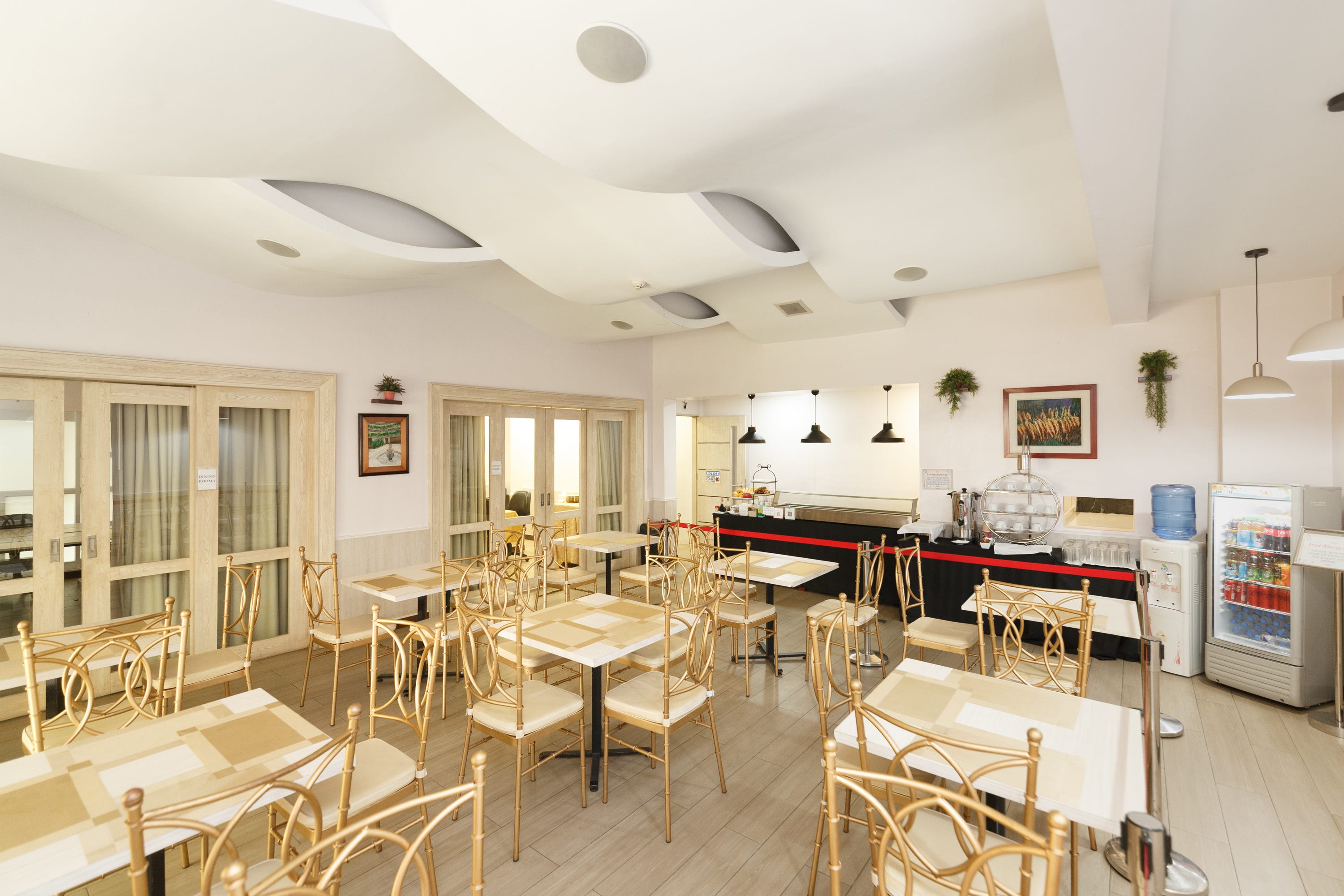
What may appear to be a simple operational arrangement has gradually influenced workplace dynamics.
“It is not only about providing meals,” Mrs. Cruz notes. “It also creates opportunities for people from different units to interact in a more natural setting.”
In an environment where academic and administrative functions often operate separately, shared lunch breaks have provided a common space for informal connection.
“You see people who do not usually work together sitting at the same tables,” she adds. “Those small interactions contribute to how workplace culture develops over time.”
On a practical level, the program also affects the daily rhythm of work. For some employees, lunch has become a more predictable and less rushed part of the day.
“When small daily concerns are addressed,” Mrs. Cruz says, “it can help people focus more fully on their work.”
This initiative can be viewed within the broader framework of employee welfare and workplace experience, where the focus is on how institutional support structures affect day-to-day functioning and morale.
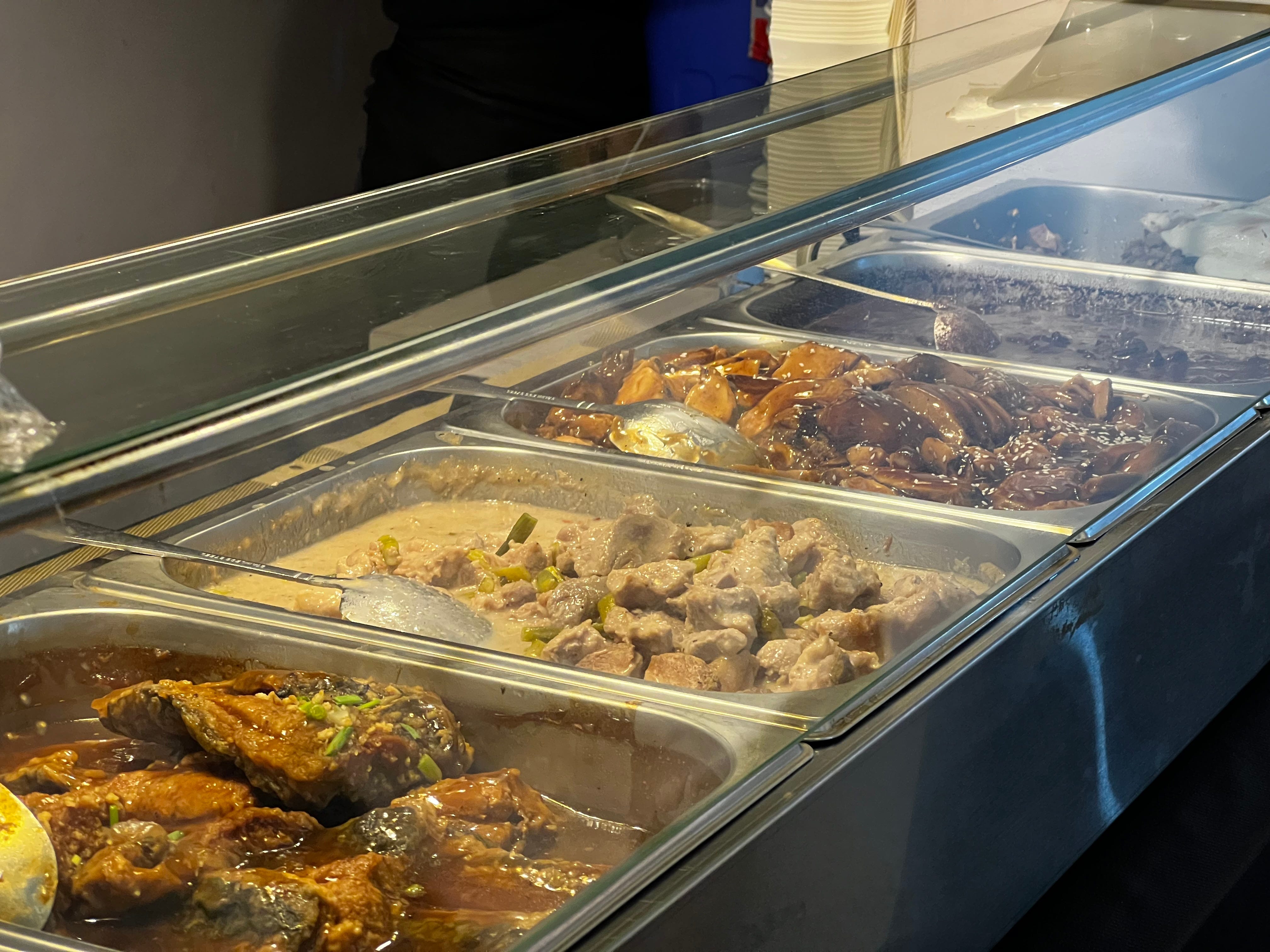
Feedback from employees reflects a range of experiences shaped by their personal and professional circumstances.
“I am very happy with the free lunch. Malaking tulong ito,” says Mr. Rolando Temporal of the Finance Office.
Others point to its impact on daily routine and workload.
“As a working mom, the free lunch is a big help because it saves time and removes one daily task from my schedule. It allows me to focus better at work while also giving me a real break in the middle of the day,” says Cathy Paner of the Human Resources Office.
“I love to see the smile on the faces of the employees getting free lunch,” says Dr. Maria Teresa Carale, Vice Dean of the School of Sciences, Engineering and Technology. “They are able to take a break and return to work with renewed energy.”
“There is no such thing as a free lunch. Kaya sobrang nagpasasalamat at happy ako para sa libreng lunch every day! Napakalaking tulong nito at magandang paraan para makatipid ng kaunti sa aking araw-araw na budget. Ang bawat kaunting tipid ay talagang malaking bagay. Ang libreng pagkain ay palaging dapat ipagpasalamat. Bawat biyaya ay mahalaga! Taus-puso ko itong pinahahalagahan,” adds Elsie Tingzon of the School of Economics.
From the perspective of the program’s service provider, the impact is also visible in day-to-day operations.
“I am very happy with the free meal program that our management has provided for regular employees. I can also see how happy and excited they are every lunchtime when they claim their meals,” says Mylen Dimatulac, Owner of Zhakim, the official concessionaire and provider of the free lunch program.
In this context, the “free lunch” is not meant to challenge economic theory, but rather to illustrate a deliberate institutional decision to allocate resources toward employee support. The University assumes the cost, while employees experience its daily benefit—both practical and social.
In that sense, the saying still holds its place in economics. There is no such thing as a free lunch, but there are choices about who bears the cost, and why.