

By Zach Reyes
Universitas Staff
When music was declared the universal language, upon which all communication sits subordinate to, it meant more than a simple omnipresence that penetrated every known and unknown culture. True, yes, but we fall short in describing what makes music so appealing. Something feels amiss in coldly rationalizing why the art form prevails demographically among the Earth and its people. Therefore, we must search deeper.
Music then meant something more than reason; it meant that the red, flaming Phoenix in Greek myth will sing again and be reborn from the ashes where it once died. Where there had once been a numbing heart, music will ignite the soul as the Phoenix did to itself, and ask: when was the last time you felt alive?
It was Reverb Music Production’s Glimpse that brought precisely that conviction—that grand impetus of feeling captured in an evening’s experience. The premiere night held at the Li Seng Giap Auditorium on November 12 was the first in Reverb history (and, hopefully, not the last!), which aimed to share the universality of music and for organizations to share their feedback on the event. Additionally, the live concert served to highlight the student-led organizations’ newest members and introduce them as part of the talented line-up of musicians in the UA&P community.
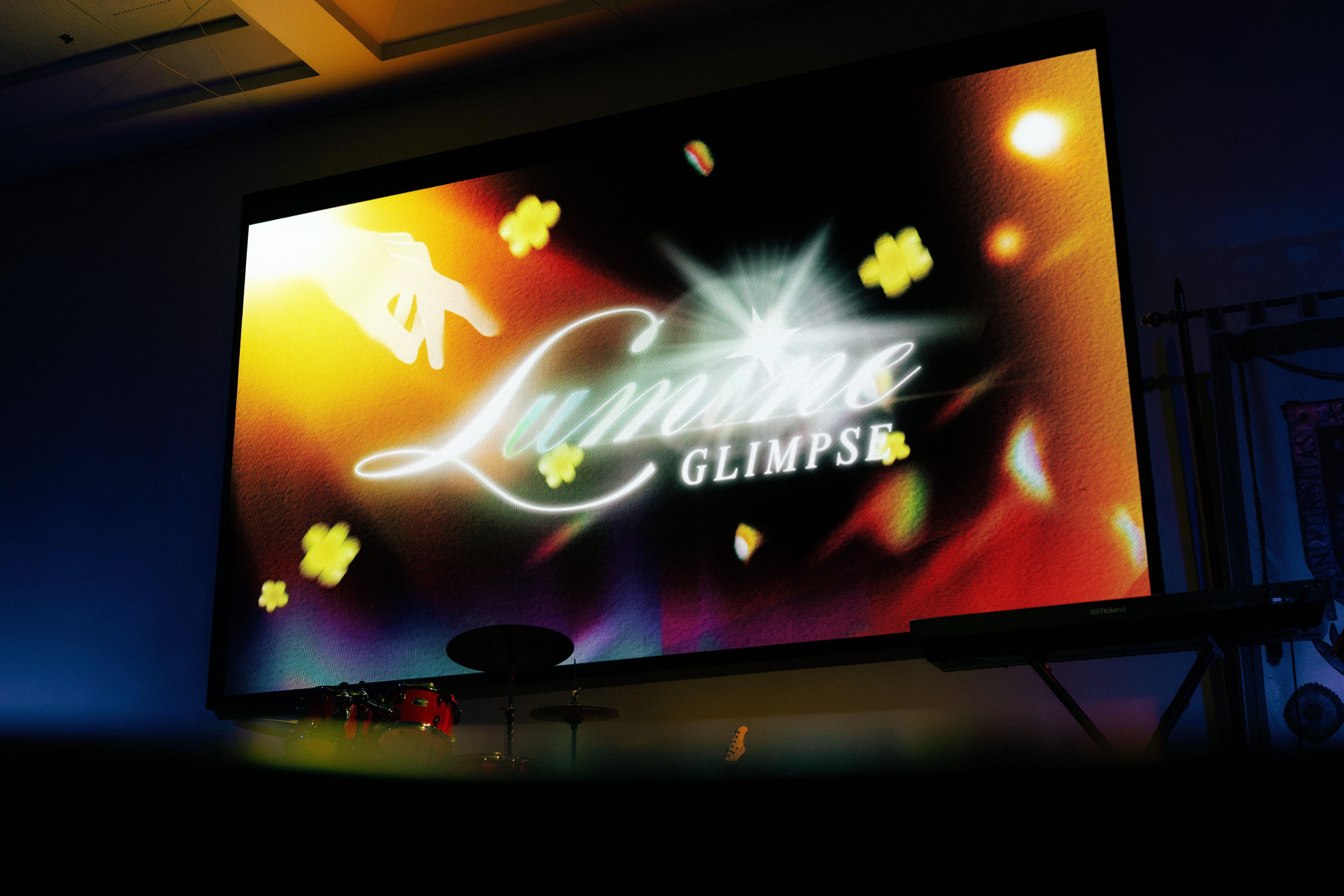
Since we do not acquire an apt definition for what a song sounds like when it is described as 239 hertz in A minor, we must tug at the heartstrings of our feelings. If we wish to describe to our friends precisely what the music in Glimpse felt like, we must describe its tone. Thus, in clever and stylish suave, Reverb tugs at the heartstrings of something deeper; they knew it was absurd for us to free up our evening with all the deadlines smashing at us with full force. But when deciding to attend a live concert, one simply feels the need to go. Hence, no time is “wasted” in attending live performances such as this when one can muster up an intense conviction and discover what it means to feel alive.
Reverb asks us: when was the last time you felt alive? I do not mean just waking up, going through the motions, or just getting through another day—in short, not just being alive. Reverb and I mean the sense of “aliveness” associated with living, for without that feeling, simply being alive will have always been in vain. The live concert succeeds in this spiritual rally greatly, and owns it. While we were only a few university organizations attending on that night of November 12, 2026, the sheer excitement of the few yet spirited individuals was enough to constitute a crowd. The crowd was alive, not in a numerical eternity, but in an eternity of spirit and shared conviction.
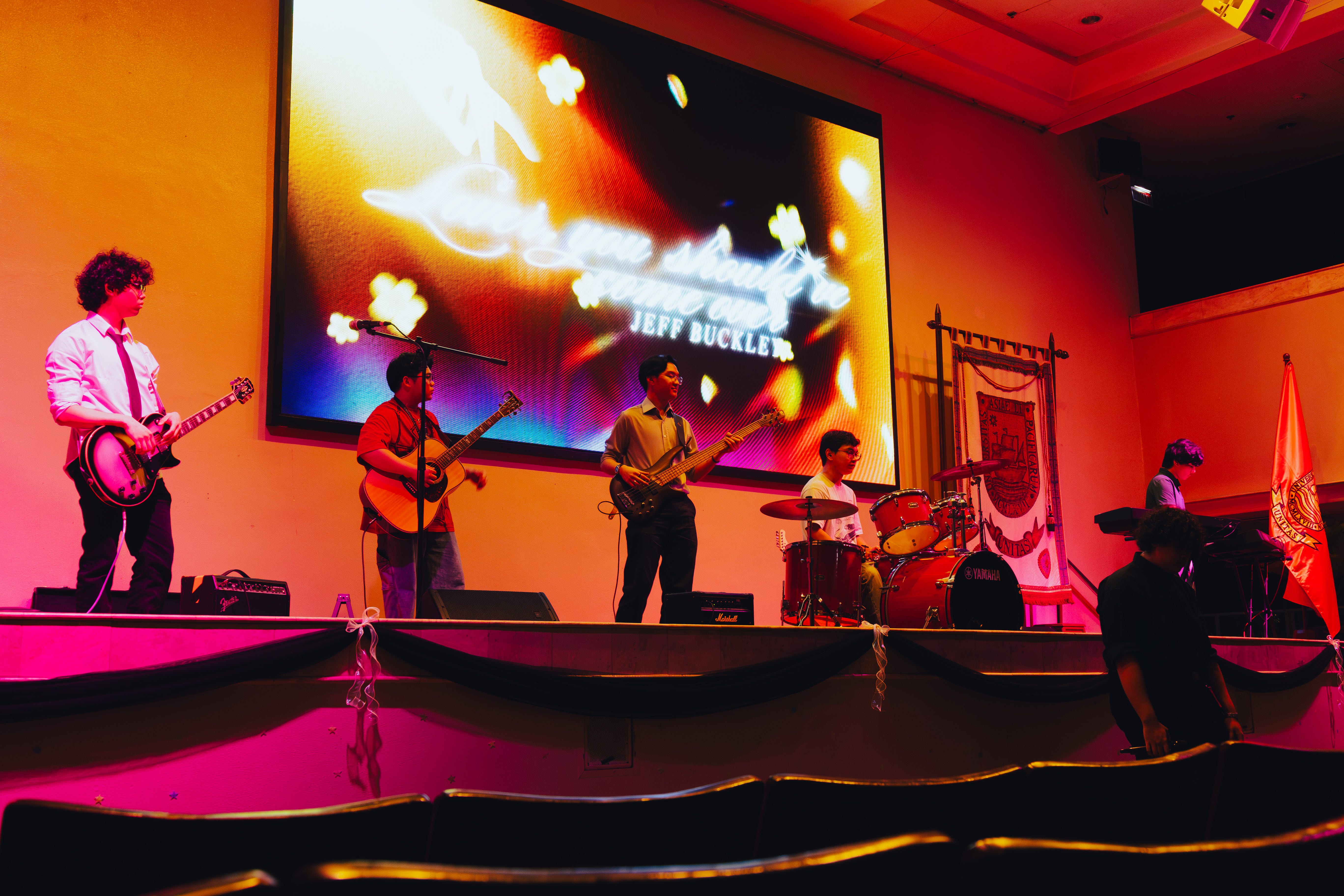
We see this similar theme of eternal aliveness play out in the songs structured throughout Glimpse. Jeff Buckley’s Lover, You Should’ve Come Over, sung by performer Kane Angel Tanis, serves as a powerful example. At first, the ambience swings like a pendulum between the miasmic chill of the organ and the vocalist’s shrill agony:
Sometimes a man gets carried away
When he feels like should be having his fun
Much too blind to see the damage he’s done
Sometimes a man must awake to find that
Really he has no one
… So I’ll wait for you, love
And I’ll Burn
Will I ever see your sweet return?
Oh, will I ever learn?
Oh-oh, lover, you should’ve come over
’Cause it’s not too late
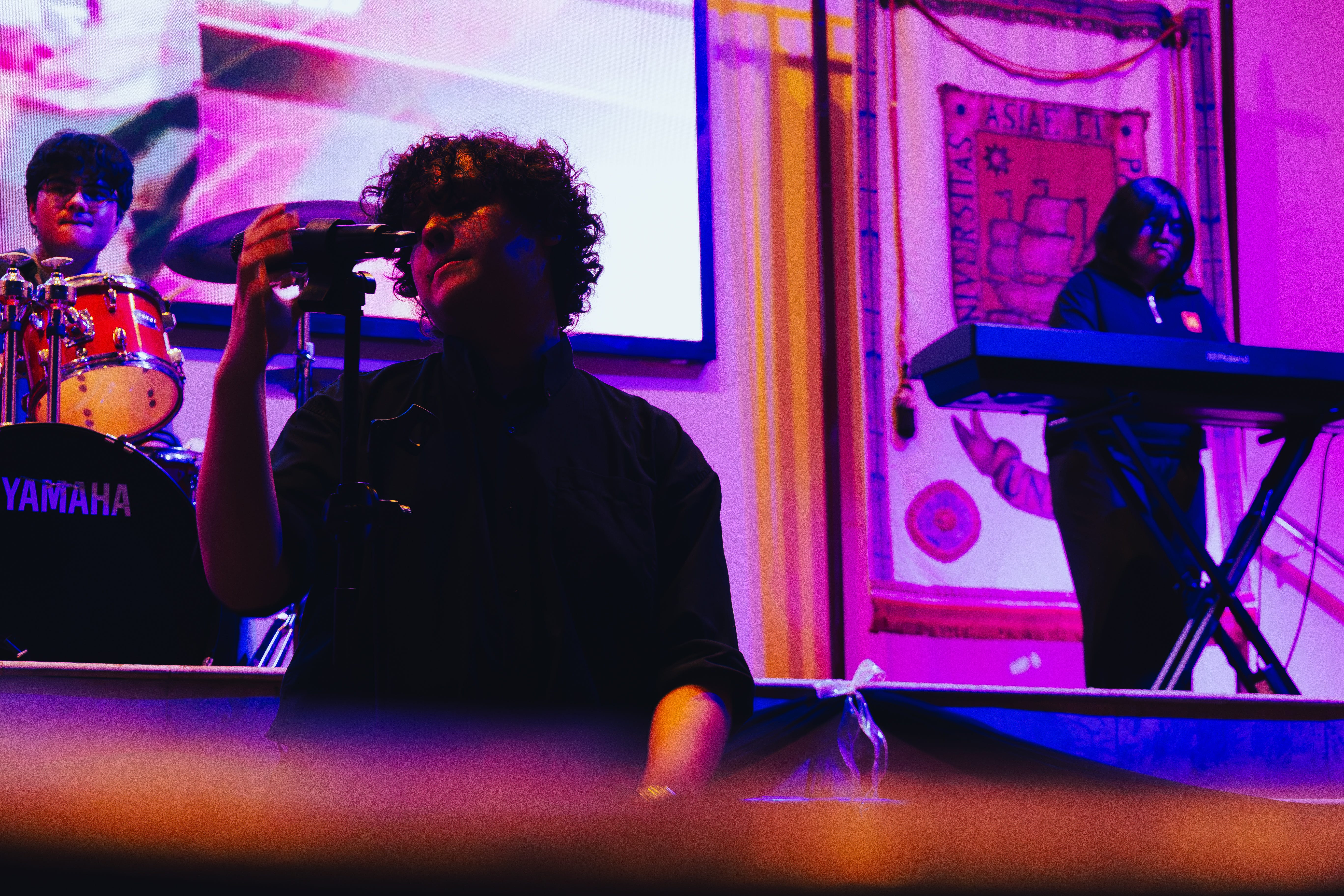
There lies the vocalist burning with eyes of despondency, communicating to the audience his message: he is alive, but at what cost? Glimpse, however, does not simply leave audiences stranded in the desert of being alive. A movement has been made in the later songs. Signalling the change of heart. Now the motion transcends from melancholia and listless longing to a sense of solidarity and groove. Most notably is the encore song—Saranggola by Ben&Ben—sung and played by all the new performers:
Saranggola’y lilipad sa kahel ng kalangitan
Paalam na nga ba sa ating nakaraan
Ngunit sa’n man tayo hipan ng amihan
’Di ipagpapalit ang pagkakaibigan
Saranggola’y lilipad sa kahel ng kalangitan
Pangarap na lang ba ang ating walang hanggan
Sa’n man tayo hipan ng amihan
’Di ipagpapalit ang pagkakaibigan
Throughout the live concert, each song is interspersed with a momentary yet necessary period of darkness. The auditorium would go dark and silent after a performance; before, somewhere along those glimpses of darkness, the auditorium lights inevitably burn bright. Light is born from the contrast between it and darkness. Thus comes, ignited like the Phoenix, new performers passionately sharing their talent with audiences. This is essentially what Glimpse is: a communion of renewed spirit through music. For the new performers, this means an opportunity to find their voice and passion; for Reverb, this means the triumph of music through which they communicate their message; and for audiences, this means the important message of feeling alive in a world that simply thinks being alive is enough.
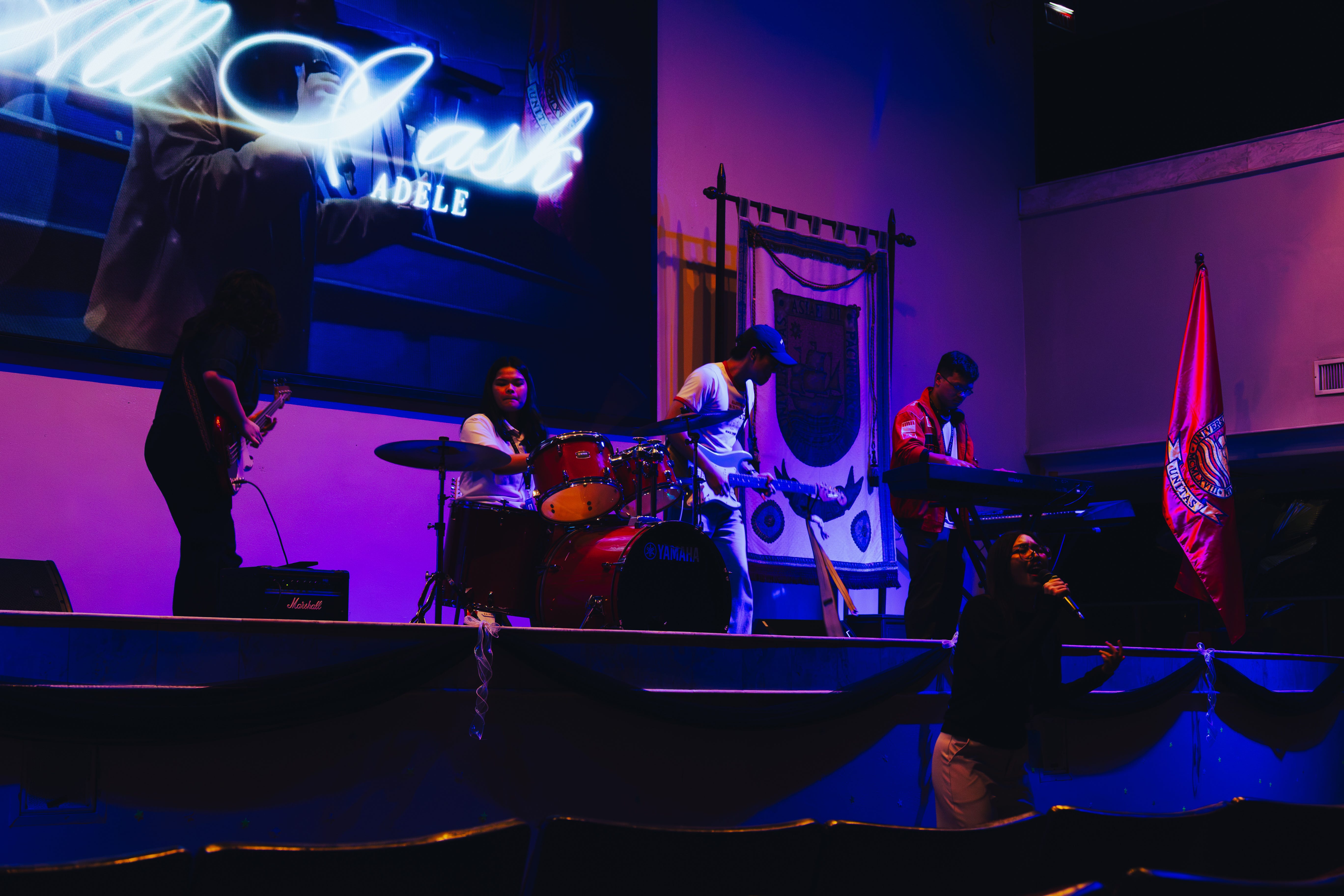
Add in the bonus of fancy footwork and gnarly goosebumps from each song, and Reverb’s Glimpse solidifies its message of renewal with an additional sense of solidarity. One cannot help but feel the chemistry between the vocalists and the instrumentalists, performers, and audience. Beneath all the songs is this eddying undercurrent so metaphysical and abstract, yet so ruthlessly felt that one must simply attend the live concert just to experience what I mean. In other words, music and prose are equal in their pursuit, but music arrives there first. Since music precedes the image, the words that I offer to describe the experience falter in comparison to simply showing up to the live event in person and attesting to the blinding brilliance. The fervor and intensity when Reverb’s Glimpse met face-to-face with a numbered crowd on the night of November 13 was unmatched, though.
Such solidarity is why people still attend evening concerts, despite the absurdity of it all. Since we long to feel that spark of vitality again, we gravitate towards these raucous lanterns in the deathly silence of night. And night is no deterrent—nor is reason, too—against seeing the daybreak of a concert conquer the melancholy of the night. The live concert is pop culture’s phoenix, and we are eager to see its rebirth. Thus, we find the true purpose of the concert’s nightly hours: to still feel something amidst the numb backdrop of life is to render it worth living again—in short, sublime.
He is going down among men, he says, as the sun sets dipping into darkness below the horizon. But the sun sets in order to be reborn the next morning as a young glowing rod.1
William Barrett, Irrational Man. 189