


Nothing is outdated about a classic because there is nothing outdated about joy and despair, love and shame, and the human condition. Thus, a classic is ultimately a timeless conversation between the person and what it means to be that person.
Reading them enriches us with the wisdom of the past, empowers the conversations of the present, and will continue to do so in the future. As literary scholar Italo Calvino notes, classics are books that have “never exhausted all that they have to say to their readers.”
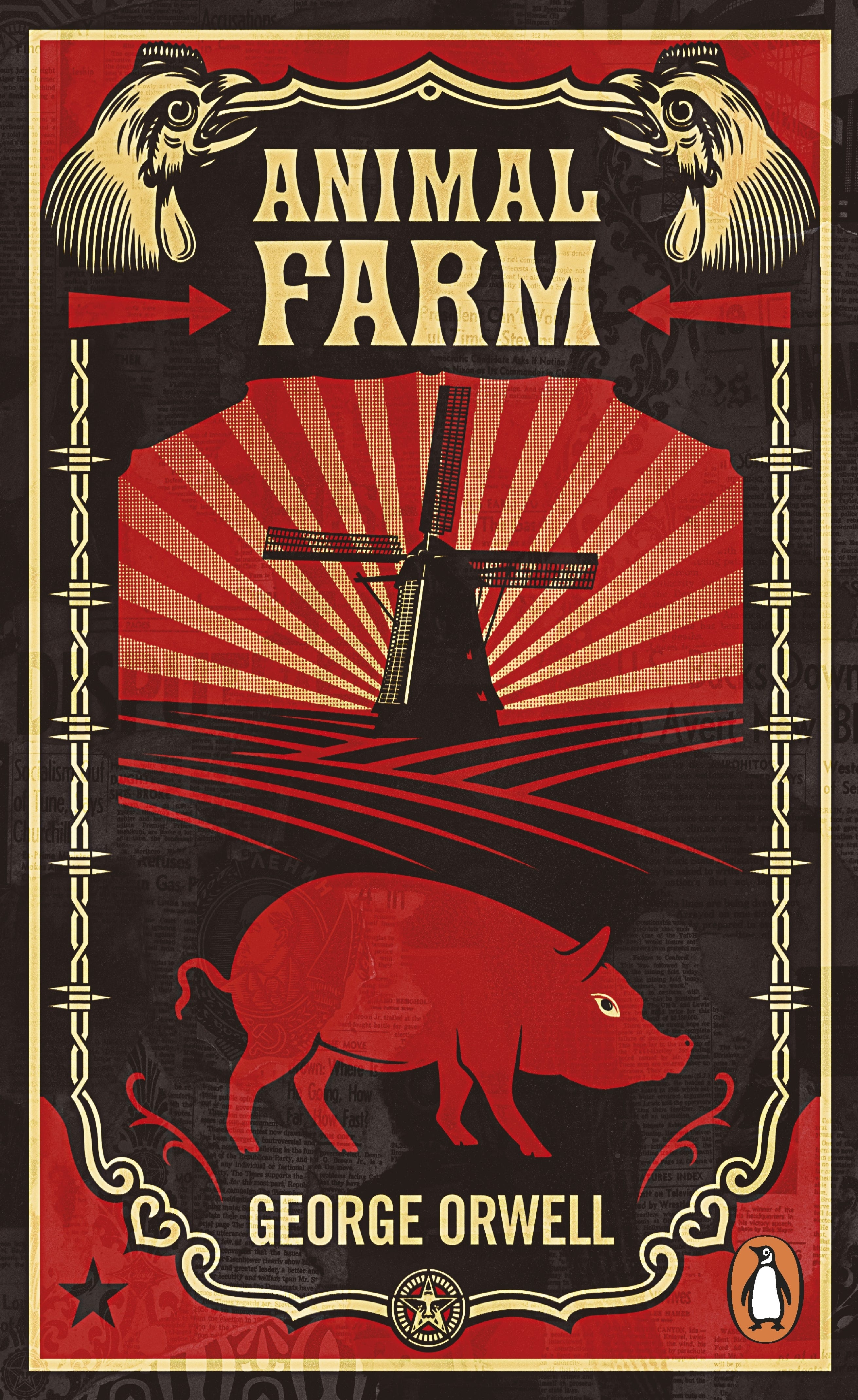
1. Animal Farm (1945) by George Orwell
A sharp political satire in under 150 pages, it is an allegory about power and class naivety disguised as a fable, making it a highly accessible read. Orwell details the hijacked rebellion of farm animals who overthrow their oppressive human master, only for the oppressed to become the oppressors.
Reading it is comparable to watching a smile slowly morph into an insidious grin.
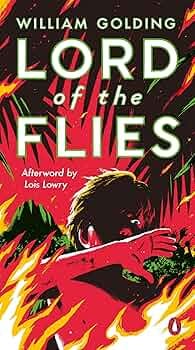
2. Lord of the Flies (1954) by William Golding
Watch the morality of a company of stranded boys erode into savagery. What is thought to be a classic island adventure story cascades into a visceral calibration to fear and mob mentality in roughly 200 pages.
Golding’s simple wording and thrilling plot provide readers with a modern, easy-going starting point into literary classics.
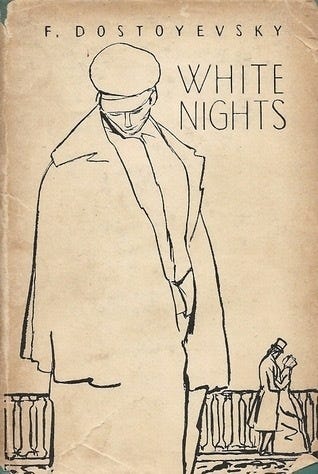
3. White Nights (1848) by Fyodor Dostoyevsky
Reading Dostoyevsky’s 100-page novella is like wandering through an endless twilight. Written as a first-person diary, the unnamed narrator profoundly captures the ache of wanting to be understood. Over four nights, he meets, falls in love with, and ultimately loses an unrequited lover.
Devastating and tender, this one is for those hopeless romantics.
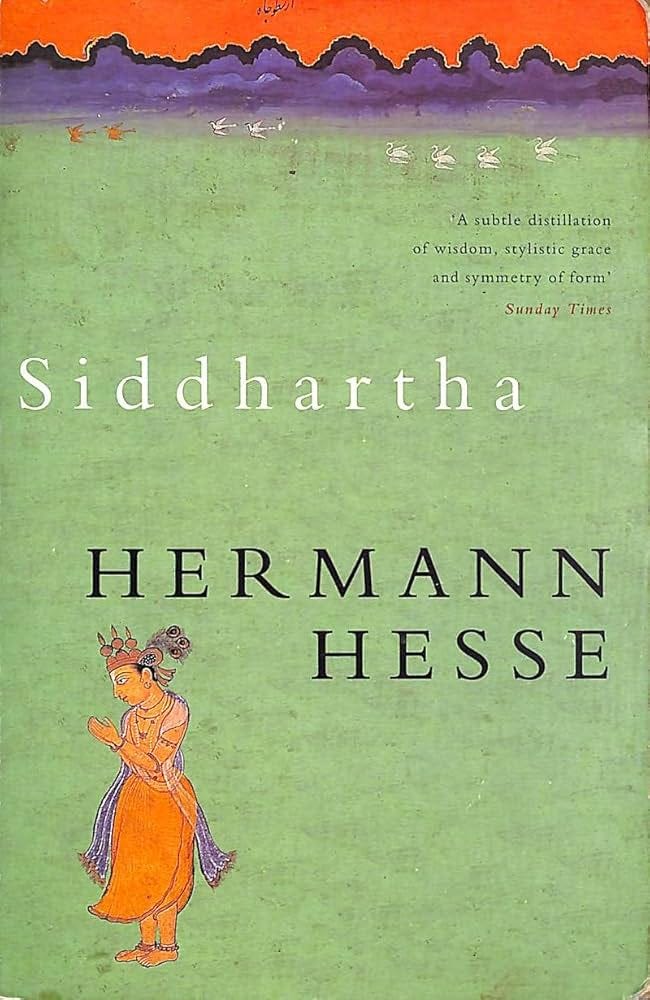
4. Siddhartha (1922) by Hermann Hesse
A simple yet meditative journey of Buddhist enlightenment. This modern literary classic blends Eastern philosophy with Western individualism to tell us the quest of a young man in ancient India who abandons a life of privilege to seek spiritual self-discovery.
Hesse’s novel of no more than 160 pages brings us closer to the definition of true wisdom.
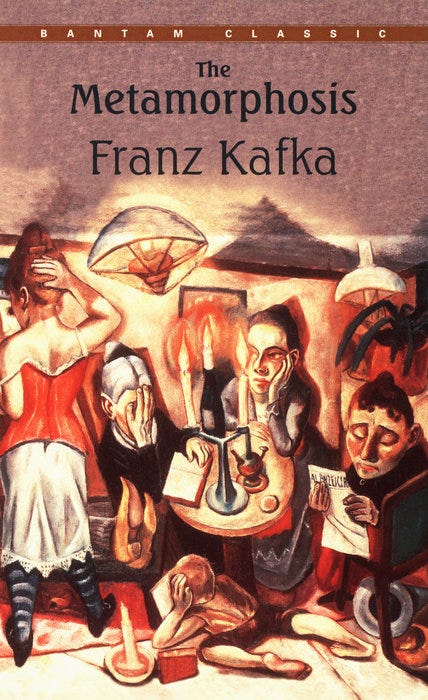
5. The Metamorphosis (1915) by Franz Kafka
Short but engaging; in 50 pages, Kafka plunges you into a nightmarish experience where the true horror isn’t in the surreal premise of transforming into a bug; it is in the dreaded pangs of isolation.
Lovers of strange and weird fiction will find reading this deeply unsettling.
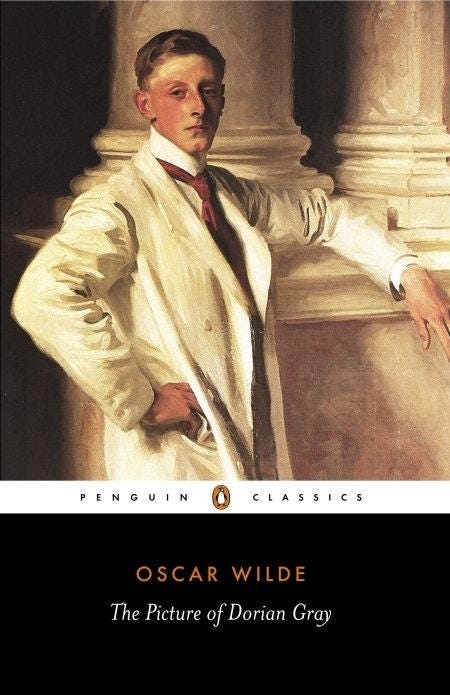
6. The Picture of Dorian Gray (1890) by Oscar Wilde
A deliciously dark and hypnotic experience, this novel is a pure psychological horror, at around 250 pages long. Dialogue crackles with wit as a philosophical duel between art, morality, and hedonism.
Watching Dorian maintain his youthful, seductive facade while his hidden portrait rots is a mesmerizing metaphor for the corruption of the soul.
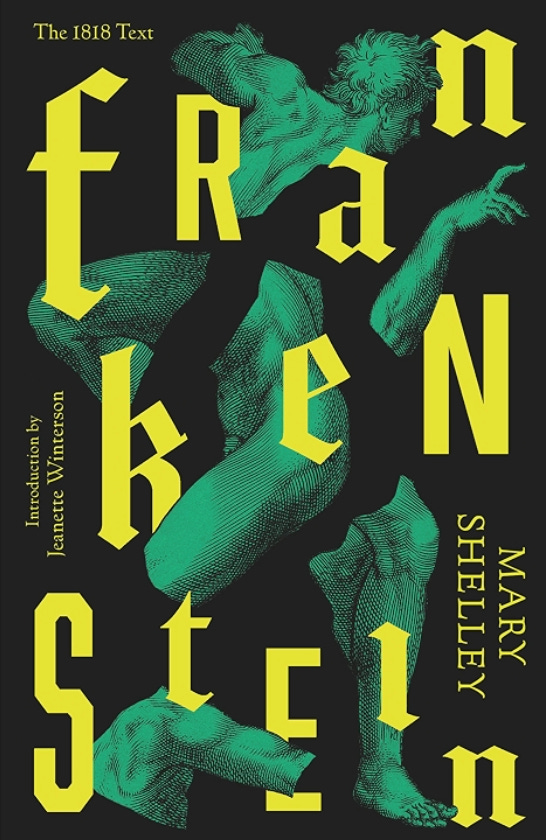
7. Frankenstein (1818) by Mary Shelley
Mary Shelley has successfully rendered the melancholy of poetry in prose form with her most well-known literary classic. Rather than focus on cold, clinical “mad science”, she relies on the internal turmoil of her characters. What results is a shockingly eloquent monster whom readers begin to empathize with.
Step into less than 300 pages of Gothic romanticism and emotional stakes.
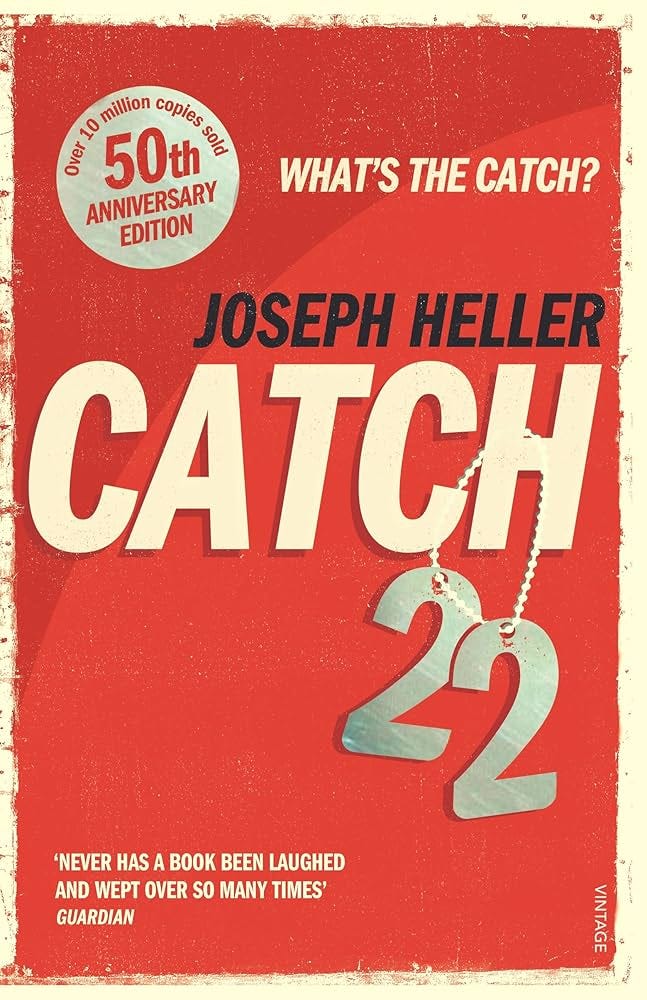
8. Catch-22 (1961) by Joseph Heller
Famously disorienting yet utterly hilarious, walking through Heller’s grim comedy is like running in circles. You are thrown into a military where incompetent, ambitious leaders make decisions that actively jeopardize the lives of their men.
If you love scathing bureaucratic critique, you’d love Catch-22.
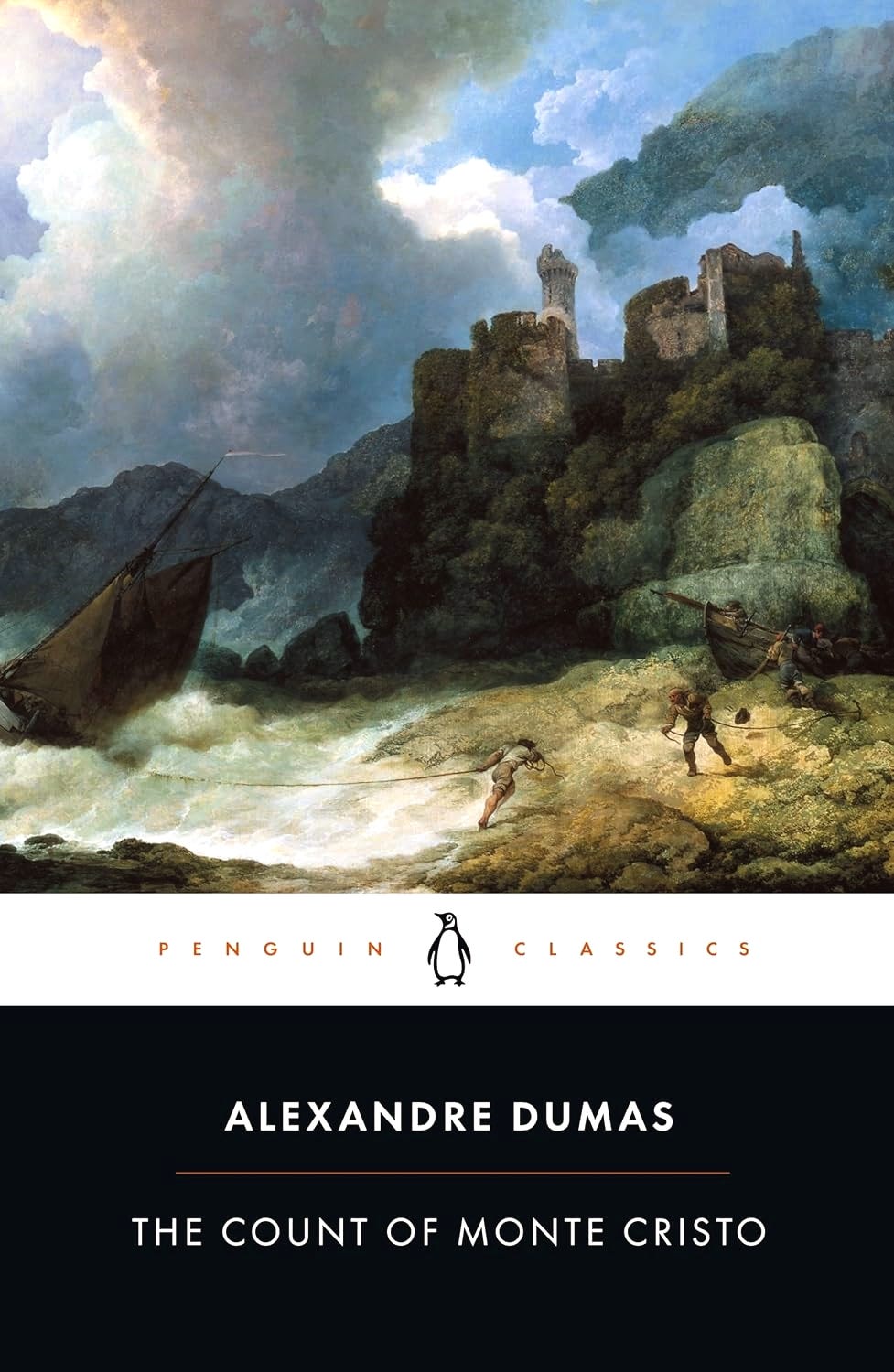
9. The Count of Monte Cristo (1846) by Alexandre Dumas
This literary behemoth sweeps across 1000 pages with a slow-burning revenge. It is a sprawling and exhilarating ride into the consequences of betrayal that reads like a modern thriller, making the page count fly by.
Unravel the transformation of a wrongfully imprisoned Edmond Dantès and his meticulous orchestration of those who ruined his life.
Banner: Reynolds, Joshua. Portrait of Samuel Johnson (”Blinking Sam”). c. 1775. Oil on canvas. The Huntington Library, Art Museum, and Botanical Gardens, San Marino, CA.
