


“Get well soon, ha. You still owe me french fries.”
As my grandmother lay on her hospital bed, I asked if she could buy my favorite snack on the other side of the phone. It was such an ordinary request that I never imagined it would become the topic of our last conversation.
For fourteen years, Mama was the first person I saw after stepping off the school bus, and she somehow always knew what snack would make a long school day feel shorter.
As a child, none of it seemed remarkable. It was simply the way she loved me—what every afternoon looked like.
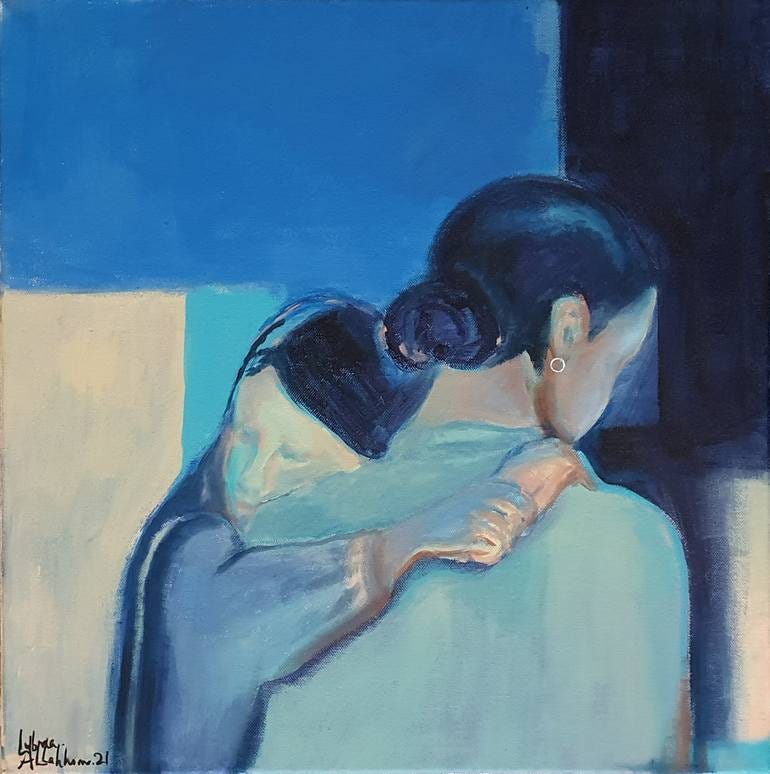
That was true of so much of our time together. We’d wander through cafés around our neighborhood and tag along on grocery runs. Somewhere between the bread aisle and the cashier, she’d quietly add chips, chocolate, or a bag of frozen french fries to the cart because she already knew what I’d ask for before I did. French fries became our unspoken tradition—she rarely waited for me to ask. Whenever we got home, I’d find them waiting for me in the pantry.
At the time, I only saw a snack. I hadn’t realized yet that it was her way of saying, “I thought of you today.”
I didn’t understand then why those ordinary moments stayed with me. What felt like routine while I was living became what memory refused to let go of.
Looking back, I don’t remember Mama for the extraordinary things she did; I remember her for the small but meaningful gestures that filled my ordinary days.
I didn’t realize how much those moments stayed, even with other people, until after I graduated from elementary school. I’d occasionally run into former teachers who would smile and ask, “How’s your grandmother?” before asking how I had been. It wasn’t difficult to understand why.
She treated ordinary encounters as moments worth paying attention to. During holidays, she’d prepare small gifts for the people who kept our school running behind the scenes. But it wasn’t the gifts alone that people remembered. She’d stop to chat with the security guards, ask the janitors how they had been, and linger long enough to hear their answers.
Home was no different. Before I had the chance to downplay an award or dismiss a speech competition as “just another contest,” she had already gloated to our relatives about it. Whenever I finished editing a school project or video presentation, she’d ask to watch it. Hours later, I’d hear the familiar audio coming from her phone—the sign that she had decided to watch it again. Before I’d leave to meet friends, she’d remind me to send pictures. Later, I’d find her scrolling through them long after I had forgotten I’d taken them.
For as long as I could remember, her presence felt as permanent as home. Days unfolded the way they always had, so when she was admitted to the hospital a few days after my birthday, I never doubted that she’d recover. I assumed we’d return to our old routines soon enough.
When I shared that last video call with Mama, we talked the way we always had. There was no dramatic goodbye because neither of us knew it would be the last. Before we hung up, I laughed and said, “Get well soon, ha. You still owe me french fries.”
A few days later, she was gone.
For a long time, every memory of Mama led me back to the hospital. Mentioning her name was enough to make my chest tighten. I’d replay our last conversation until I was exhausted, convinced I had somehow failed her with my final words. Why didn’t I tell her I loved her? Why didn’t I thank her for everything she did for me?
But grief changes slowly but surely. The days I cried until I couldn’t breathe became less frequent, and life slowly filled itself with ordinary routines again. My mom and I still talked about Mama, but somewhere along the way, our conversations began ending in laughter instead of silence. Without noticing it, I stopped visiting the memory of the hospital and returned to the life we shared before it.
Only then did I understand why those last words stayed. They were never remarkable on their own. “You still owe me french fries,” held grocery trips where she’d slip a frozen bag into the cart before I could ask, rides home from school, afternoons that ended with snacks waiting in the pantry, and the assumption that there would always be another ordinary day together. What I thought was the memory of one conversation had been carrying years of ordinary life all along.
Maybe that’s why the ordinary lasts. We remember milestones, but we live in routines. The moments that shape us are rarely dramatic; they’re repeated often enough to become part of who we are. A grocery cart can carry years of companionship. A photograph can hold an entire relationship. And even a simple request for french fries can hold an entire childhood.
Somewhere along the way, the last conversation stopped being the memory I returned to the most. The regret no longer lives at the center of that memory. The life that came before quietly took its place. What remained instead was everything that had come before it. And somehow, those last words came to hold all of it.
The french fries were never what stayed with me. They were simply the ordinary moment where fourteen years of everyday love decided to remain.
