By Charmagne Anne Sunico, MD DPCOM
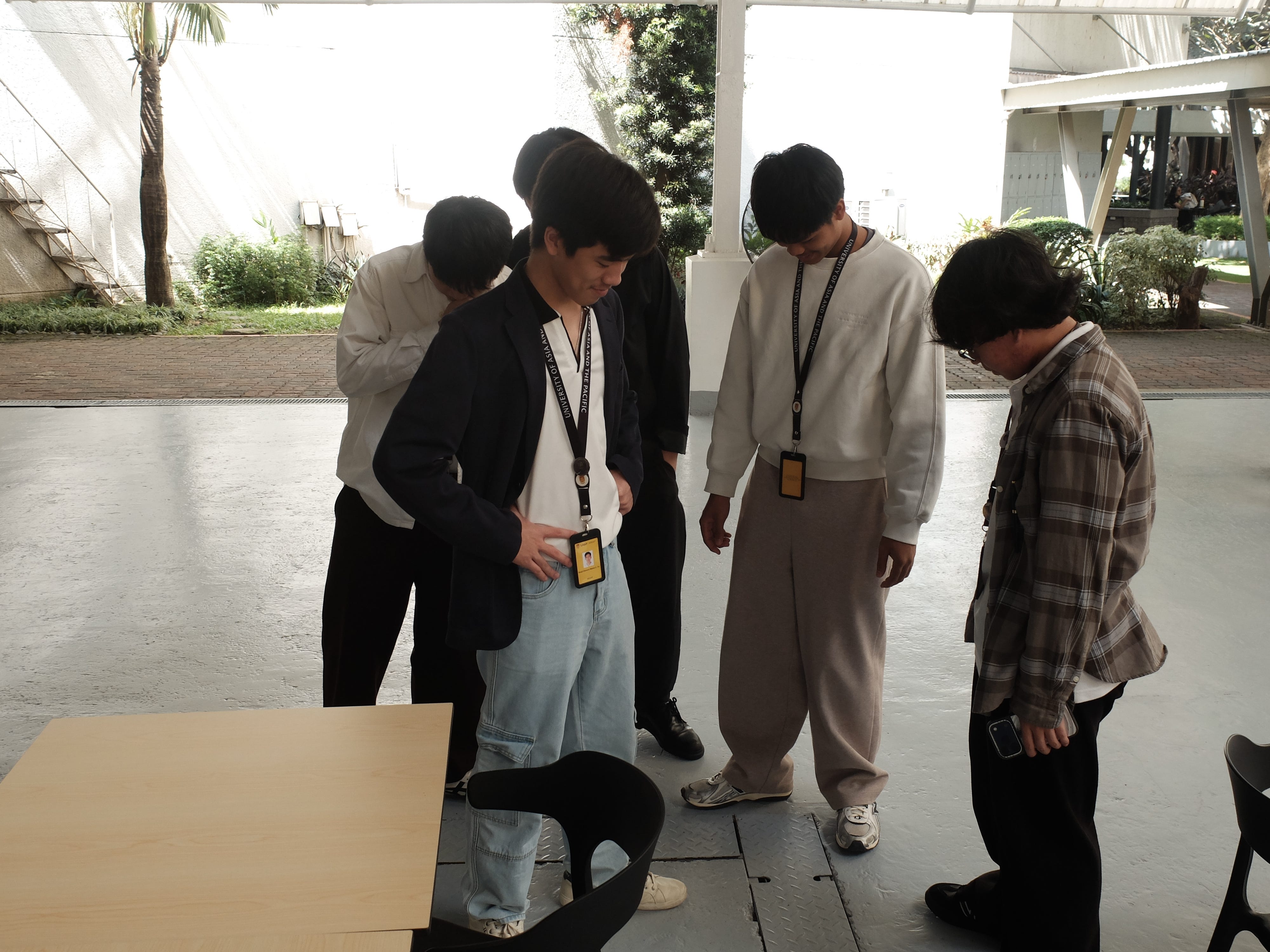
When we walk through a place, we are normally not aware of the dangers and hazards that we encounter that might cause harm to ourselves or our loved ones. The Hazard Identification Walkthrough is a DOLE-mandated activity for Occupational Safety and Health, though we may also do this activity in other places, like our homes and school. This activity involves walking through areas and recognizing hazards or potential dangers we may come across.
Our 16YP students learnt how to identify different kinds of hazards in class and this Walkthrough was an application of that topic. Even though not all of them will be future scientists or engineers, it is important for them to know and identify hazards they may come across and know how to mitigate them or at least know who to call to fix a leaky pipe or exposed electrical wiring. The Department of Science, under the School of Sciences, Engineering and Technology, together with Junior College, would like to build up future leaders of industry, not just to understand the “business” side of things, but also the safety and health aspects of taking care of their workers.
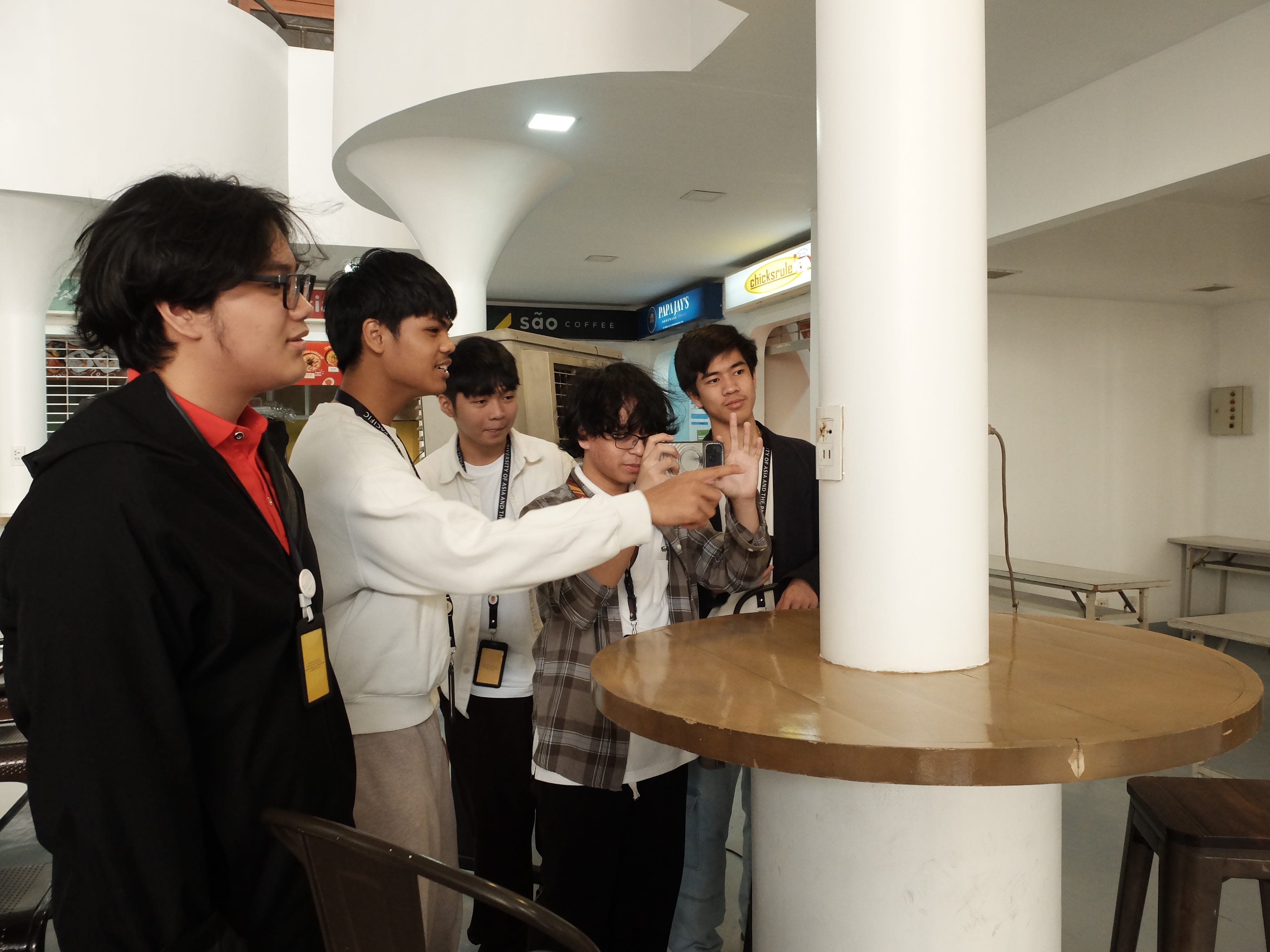
Going around the USC looking for hazards is starting to become some sort of “tradition” from last year’s 26YP classes who did the same thing to this year’s 16YP classes. We have noticed differences already from last year and this year. Highlight of this was the absence of the UA&P cats that used to roam around the USC and jump up on the tables and people. This is a significant improvement since the biological hazard of acquiring rabies via scratches or bites and other cat-borne illnesses is avoided. Other hazards also have been mitigated, like exposed wiring and misplaced planks/grilles, which makes the place safer for both students and workers.
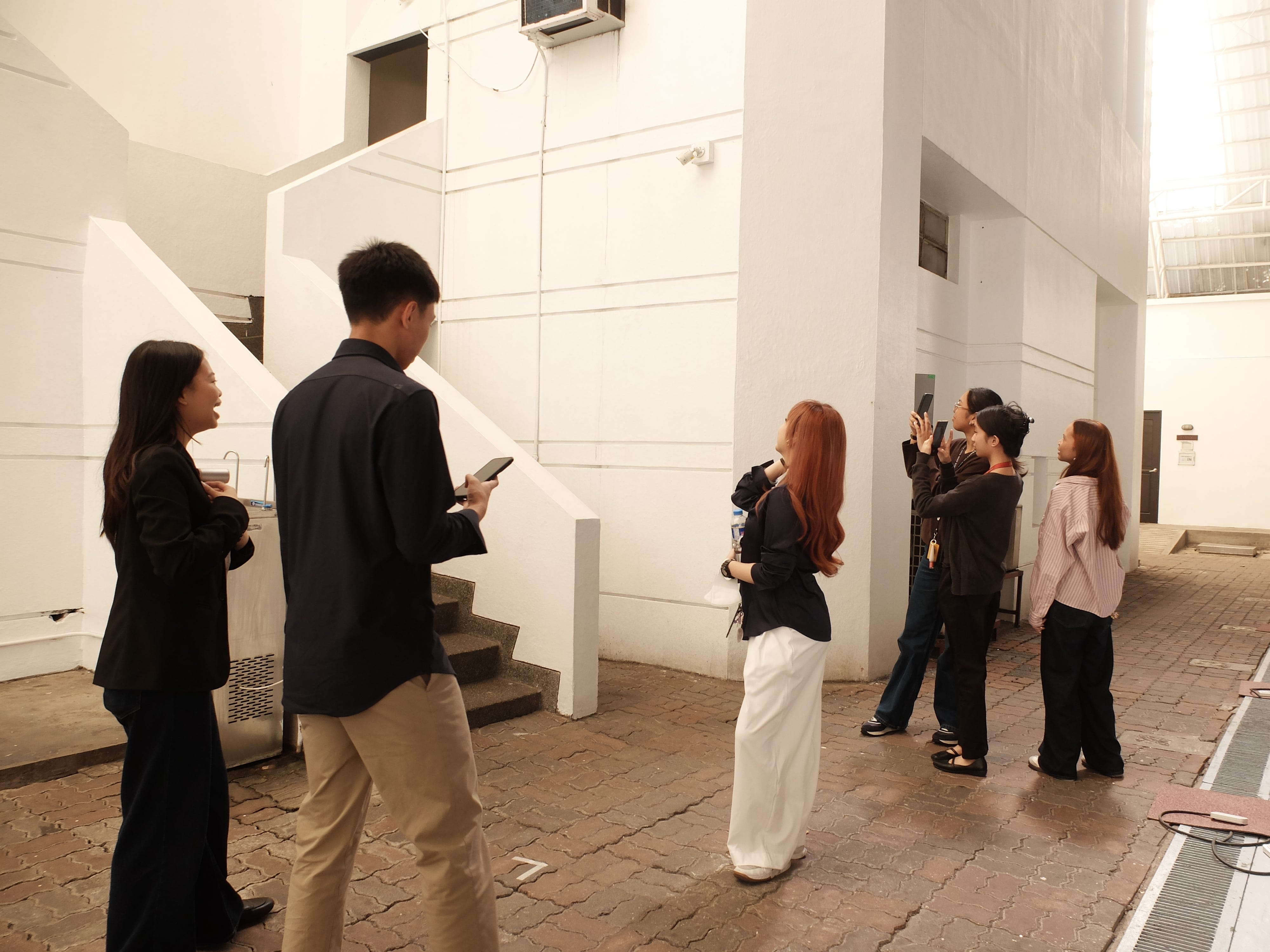
The aim of the Hazard Identification Walkthrough for the students is how to identify different hazards, making them more observant of their surroundings and think like partners in safety and health. For the school, it is a boon since the students see hazards that might be missed by those in charge since they aren’t usually exposed to them (i.e. weird tasting water at the drinking fountain). Hopefully, this activity becomes a “tradition” and later on a habit for our students to watch out for each other by identifying these hazards and reporting them for mitigation.