


By Mel Garcia
Director, UA&P Child Development and Education Center
Every so often, it is worth returning to the word education itself.
Education is easily associated with schools, classrooms, teachers, lessons, and degrees. Understandably so. But the work of education extends well beyond the classroom.
Two Latin words are often associated with its meaning: educare, to nurture or bring up, and educere, to lead or draw forth. Taken together, they offer a compelling way of thinking about what an educator is called to do.
To educate is, in part, to nurture what is already there. A child comes into a classroom with interests, questions, relationships, a temperament, and a particular way of making sense of the world. A university student does, too. So does a teacher who has been in the profession for twenty years. Education does not begin with an empty person waiting to be filled.
But education also asks that something be drawn forth. There is always the possibility of becoming. Young children make this particularly visible. Watch a child spend a surprisingly long time trying to balance blocks, negotiate with a classmate, make something work, or explain an idea that is still taking shape. An adult may know how to fix the tower. A teacher may already know the word the child is searching for. It is tempting to step in.
Sometimes, though, the better act of teaching is to wait.
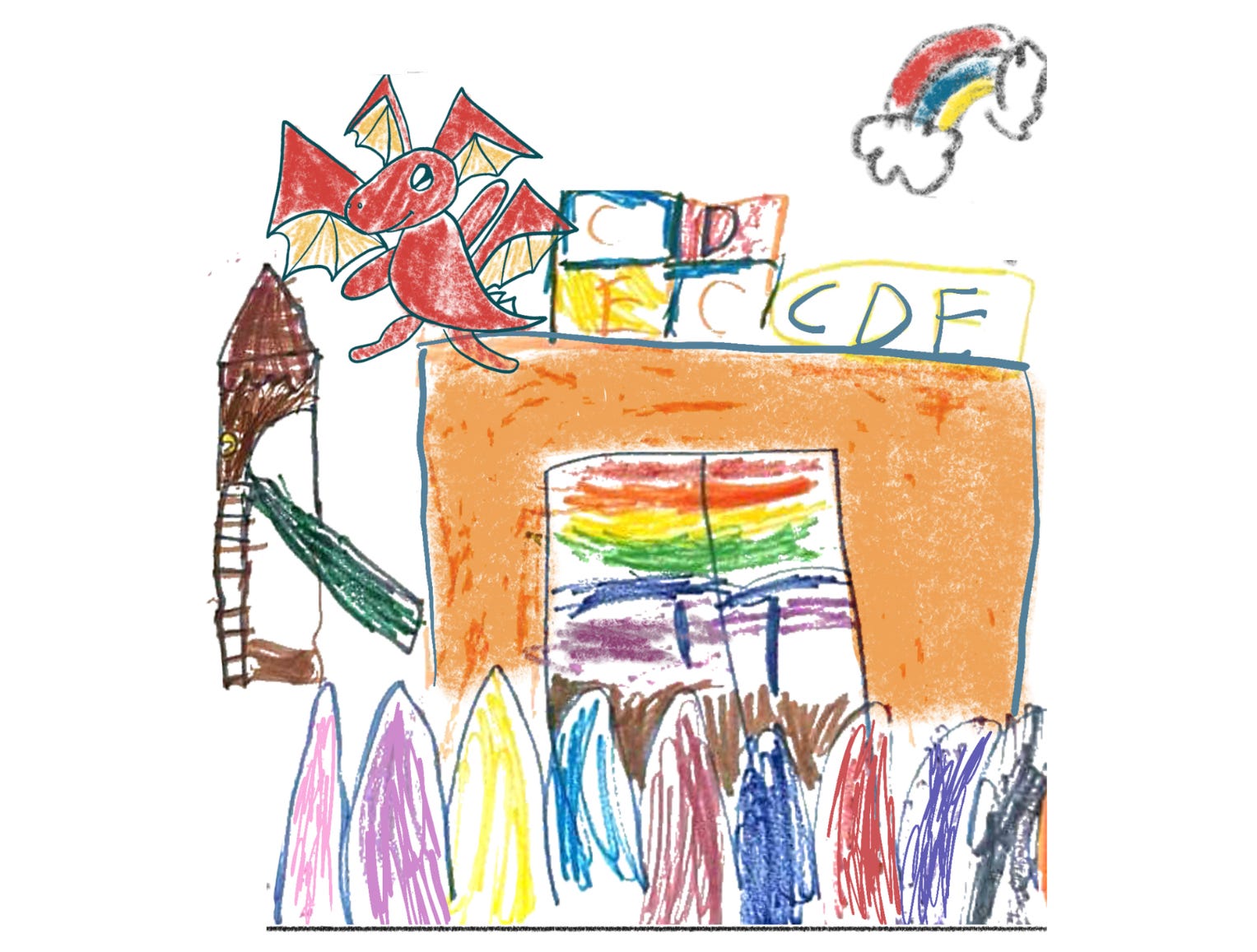
There is something of educere in that moment. The educator does not always need to stand in front, pulling the learner toward a predetermined answer. Sometimes the work is to create the conditions, pay close attention, ask a good question, and trust that there is something worth drawing out. This also gives fuller meaning to the idea of holistic development. It can easily become a list: intellectual, physical, social, emotional, moral. But that is not how development is experienced. A person does not develop one domain at a time. Each aspect influences, and is influenced by, the others, all within the development of the same person.
A child learning to take turns is learning much more than a social skill. A university student struggling through a difficult project is learning about the subject, certainly, but perhaps also about frustration, judgment, responsibility, perseverance, and grit. An experienced teacher returning to graduate school brings years of practice into conversation with new ideas. An employee learning to lead a team is also learning how to understand people.The years spent in school are only one part of a much longer life of learning and growth.
This understanding has long been part of the work of the UA&P School of Education and Human Development. As SED marks its Foundation Anniversary this September 15, the occasion offers an opportunity not only to look back on the years that have passed but also to return to a basic question: What does it mean to educate a person?
SED works with children and families. It forms future teachers and accompanies practicing educators. It studies human development and prepares people who will lead learning in schools, communities, and organizations. The settings change. The learners do, too. Yet underneath these different forms of work is one conviction: the human person remains capable of growth throughout life.
Perhaps this is what it means to form leaders of learning across the lifespan.
A leader of learning need not always have a classroom. It may be a preschool teacher who knows when to intervene and when to observe. A parent learning to see a situation from a child’s point of view. A school leader creating the conditions in which teachers can do good work. A human resource professional thinking carefully about how people grow within an organization. Or a university professor who understands that teaching never removes the need to remain a learner. There is something worth noticing in the word educere. To lead out suggests movement. Education should take a person somewhere. Yet educare reminds us that how a person is accompanied along the way matters just as much.
Nurture and draw forth. Care for the person who is here now, while recognizing the person who is still becoming.
Good education can take many forms, and there will always be debates about methods, curricula, and what learners ought to know. Beneath these questions, however, lies something more enduring.
Education begins with seeing the whole person, both as one who is and one who is still becoming.
And, perhaps, that is also where it must always return.